HYDROGEN ENERGY RESEARCH
Produced by Robert Cole Basford

🔴H2.Research
🌑H2.Archive Library
🌑H2.Collage
🌑H2.Education
🌑H2.National Strategy
🌑H2.Policy,Safety,Standards
🌑H2.System Component T&E
🌑H2.Acronyms
🌑About OTSO


H2 Energy Research

OTSO 2026-02-01
Open-source Technology for Sustainable Opportunities presents:


Production R1.1 - R5.1

R1. PROD: Alkaline / AEM / PEM Electrolysis (1/20)
1.1. 27 Jan 2026, Springer Nature, Recent advances in HER electrocatalysis derived from Fe, Co, Ni, and Mo-based phosphides,
R2. PROD: Bio / Pyrolysis / Radiolysis / Solar (1/20)
2.1. 29 Jan 2026, Nature Communications, Hydrocyclone-enhanced scalable photocatalytic hydrogen generation, from macroscale turbulence to nanoscale reaction dynamics,
R3. PROD: Geologic / Natural Hydrogen (1/20)
3.1. 25 Jan 2026, Elsevier Chemical Geology, Hydrogen generation potential of peridotites and pyroxenites in ophiolitic settings,
R4. FUEL CELL: AEMFC / MCFC / SOFC (1/20)
4.1. 30 Jan 2026, Elsevier Next Energy,Recent advances in fuel cell design and modeling: A comprehensive review,
R5. STORE: Type IV-V / MH / LH2 / LOHC / Geo (1/20)
5.1. 27 Jan 2026, MDPI, Study on H2 Seepage Laws in Tree-Shaped Reservoir Fractures of the Storage Formation of Underground H2 Storage in Depleted Oil and Gas Reservoirs Considering Slip Effects,

Applied Engineering R6.1 - R12.75

R6. APP: Automotive / Rail Industry (1/20)
6.1. 12 Jan 2026, MDPI, Study on the Energy Demand of Vehicle Propulsion to Minimize Hydrogen Consumption: A Case Study for an Ultra-Energy Efficient Fuel Cell EV in Predefined Driving Conditions,
R7. APP: Aviation / UAS Industry (1/20)
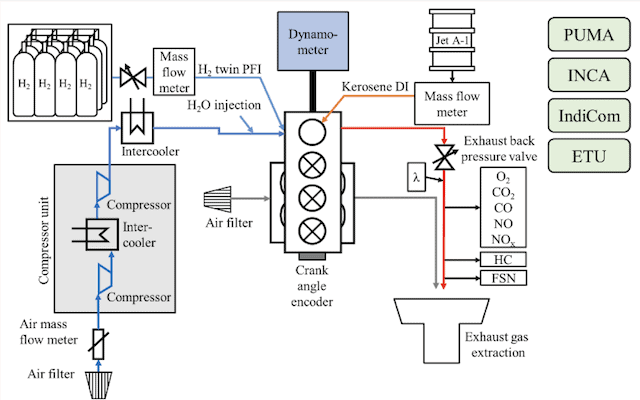
7.1. 23 Jan 2026, MDPI, Turbocharging Matching Investigation for High-Altitude Power Recovery in Aviation Hydrogen Internal Combustion Engines
R8. APP: Defence / Military Industry (1/20)
8.1. 15 Jan 2026, Skyeton, Hydrogen-Powered Hybrid Raybird UAV Completes Combat Missions in Ukraine
R9. APP: Marine / Maritime Industry (1/20)
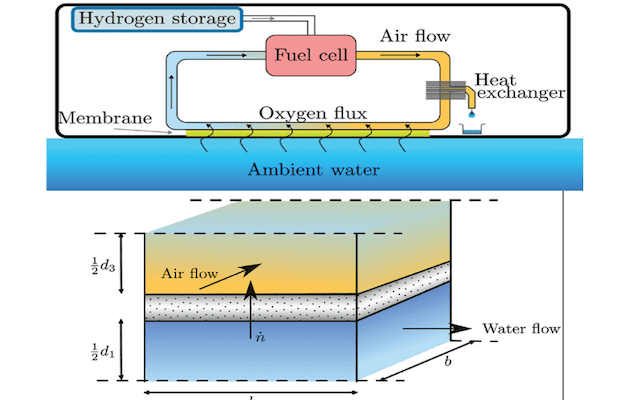
9.1. 30 Jan 2025, Elsevier Ocean Engineering, Feasibility assessment of zero-emission high-speed passenger vessels using optimal energy scheduling and power allocation
R10. APP: Sustainable Metallurgy Industry (1/20)
10.1. 26 Jan 2026, Wiley Advanced Materials Science An Integrated Stainless Steel-Based Electrode for Durable Direct Natural Seawater Electrolysis
R11. APP: Space Industry (1/20)
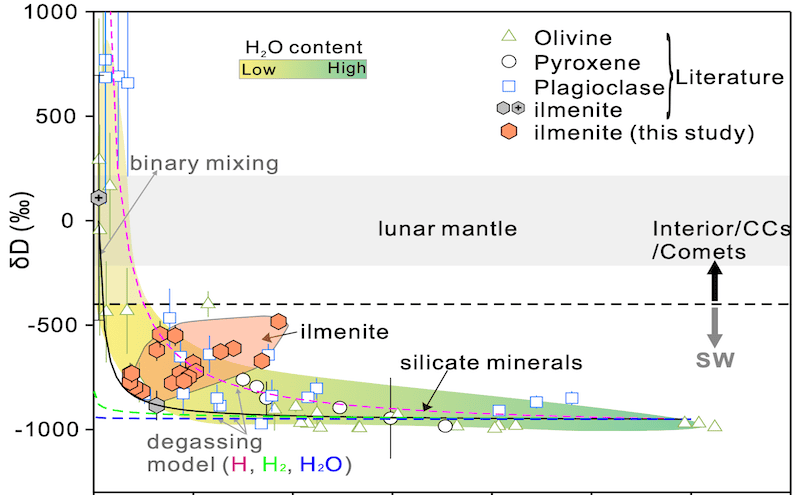
11.1. 13 Jan 2026, ArXiv Earth and Planetary Astrophysics, Direct detection of hydrogen reveals a new macroscopic crustal water reservoir on early Mars
R12. Hydrogen Research Centres (75/83)
12.75. 30 Jan 2026, Scripps Institution of Oceanography at UC San Diego, The Keeling Curve

Latest R1 - R12: 303 URLs

Expand All
Collapse All
R1. PROD: Alkaline / AEM / PEM Electrolysis (20)

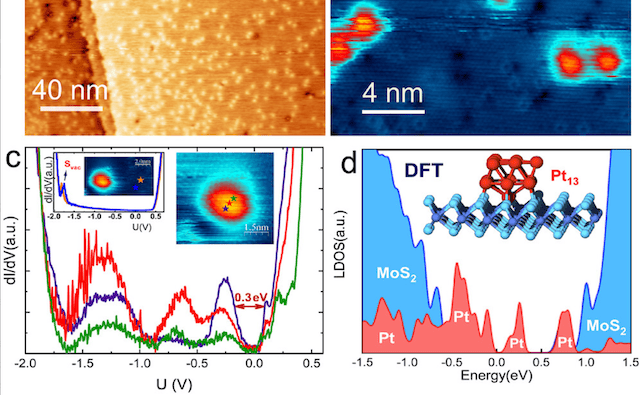
1.1. 27 Jan 2026, Springer Nature, Recent advances in HER electrocatalysis derived from Fe, Co, Ni, and Mo-based phosphides, "This review provides a comprehensive overview of the HER reaction mechanism, synthesis strategies, performance evaluation methods, and structural engineering approaches for TMP-based catalysts. Special emphasis is placed on alloyed phosphide systems incorporating these and other transition elements, which exhibit enhanced charge transfer, optimized hydrogen adsorption energies, and improved durability."
1.2. 27 Jan 2026, ACS The Journal of Physical Chemistry B, AI-Assisted Physics-Informed Predictions of Degradation Behavior of Polymeric Anion Exchange Membranes, "In this study, we extend our informatics-based approach to address a critical missing dimension in AEM research: time-dependent degradation. Specifically, we focus on the evolution of hydroxide conductivity under prolonged alkaline exposure, a key indicator of chemical and structural breakdown in AEMs. (10,15) Although prior studies have investigated the degradation of specific AEMs by introducing structural modifications (e.g., flexible spacers, cross-linking, branching, or inorganic additives (1,4,5,8))."
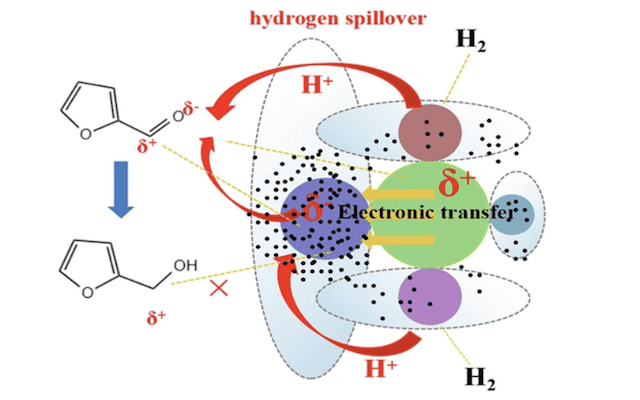
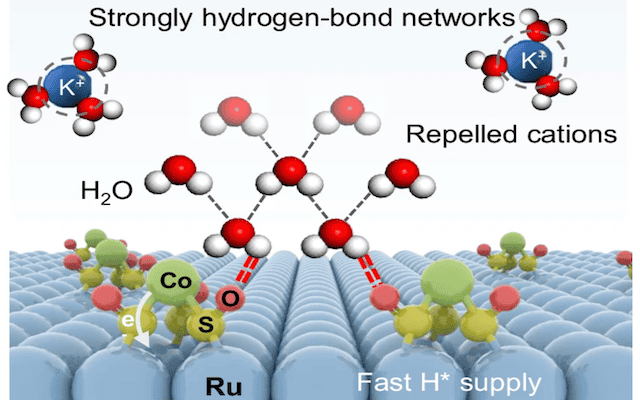
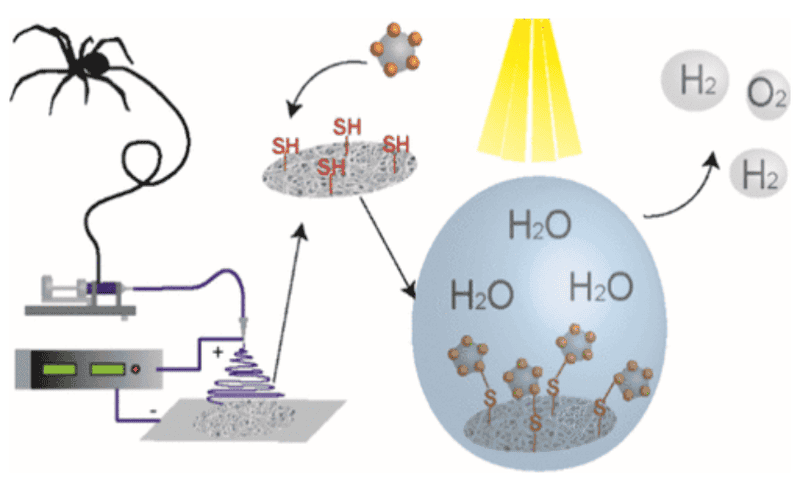
1.3. 23 Jan 2026, ACS Catalysis, Stepwise Acceleration of Water Dissociation and Hydrogen Spillover for Enhanced Overall Alkaline Hydrogen Evolution, "Herein, we propose an auxiliary-driving strategy to promote overall HER kinetics by coupling VO2 and Ru components within a carbon nanofiber matrix. The architecture is readily constructed via a straightforward electrospinning process, which ensures intimate spatial integration and efficient electronic interactions between the Ru and VO2 components. The introduction of VO2 facilitates the formation of V–O–Ru conjugated π-bonds during the reaction, thereby dynamically modulating the electronic structure of active sites."
1.4. 23 Jan 2026, Frontiers, The effect of fluorides in the TiO2(B) anode on the hydrogen evolution reaction in aqueous electrolytes, "In this study, we investigate the use of fluorine-based additives in anodes to mitigate HER in LIBs with aqueous electrolytes including low or high amounts of salt (water-in-salt electrolytes (WiSE)). We synthesized and incorporated three distinct materials into TiO2(B) anodes: aluminum fluoride (AlF3), lithium fluoride (LiF), and 1H,1H,2H, 2H-perfluorooctyltriethoxysilane (FAS) using a solution-based method."
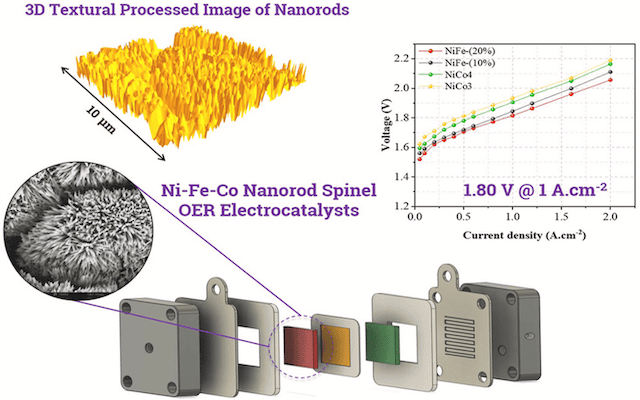
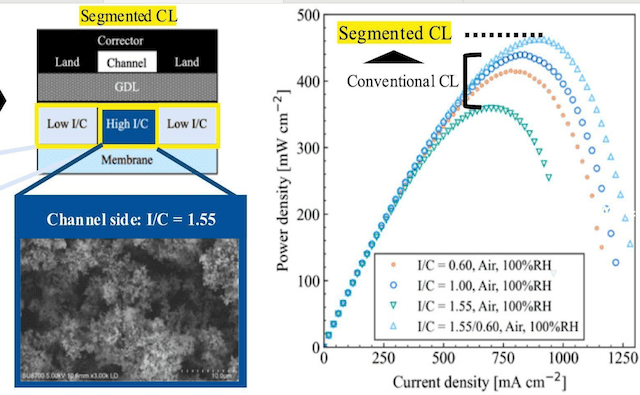
1.5. 20 Jan 2026, MDPI, Improvements of Both Anode Catalyst Layer and Porous Transport Layer for the Efficient Proton-Exchange Membrane Water Electrolysis, "In this study, the MEA fabrication method was optimized by varying the ionomer-to-carbon (I/C) ratio, coating strategy, and anode Ir mass loading. As a result, the cell voltage was reduced from 1.679 V to 1.645 V at 1.0 A cm−2, with a small degradation of 1.3% over 70 h of operation. Based on the optimized MEA, the effects of the structure and porosity of PTL on the mass transport behavior were further analyzed."
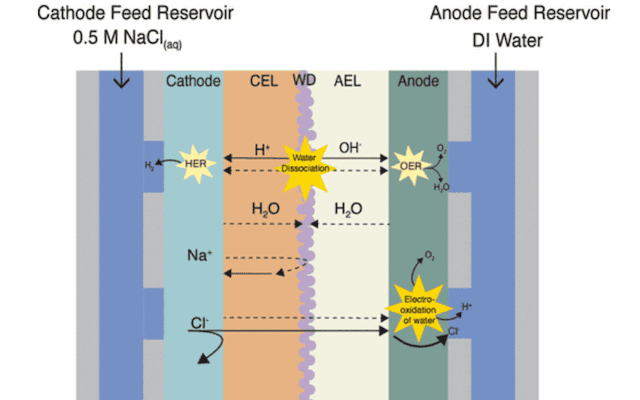
1.6. 19 Jan 2026, Elsevier International Journal of Hydrogen Energy, 3D multiphase simulation of a bipolar membrane water electrolyzer, "This work presents a modeling study in which a three-dimensional, multiphase, steady-state CFD model for BPMWEs is developed, validated against literature data, and shown to provide actionable design insights. Two literature-based formulations for the bipolar interface reaction rate were implemented and compared in the CFD model. The results showed that a Butler-Volmer-type formulation, employing fixed values for the reference exchange current density and the symmetry factor, based on a trap-assisted mechanism, exhibited improved numerical robustness and smaller deviations from the experimental data."
1.7. 17 Jan 2026, Elsevier Journal of Power Sources, Unveiling hidden membrane transport phenomena in PEM electrolyzers: Modeling the impact of gas crossover and electro-osmotic water drag, "In this study, a validated three-dimensional single-phase PEMWE model is extended to explicitly incorporate solution–diffusion-based gas crossover and electro-osmotic drag within the governing transport equations. Simulations performed on a representative PEMWE geometry quantify the resulting impacts on polarization behavior, membrane hydration, effective proton conductivity, and outlet gas composition under standard operating conditions."
1.8. 14 Jan 2026, ACS Applied Energy Materials, Synergistic Transition-Metal Coordination within Pyrene- and Phenanthroline-Tethered Conjugated Microporous Polymers for Boosting Hydrogen Evolution Reaction in Alkaline Media, "Herein, we disclose a rationally conceived and executed synthesis of a pyrene - and phenanthroline - tethered conjugated microporous polymer, where 1,10-phenanthroline ligands are incorporated through a C–Br/C–B Suzuki–Miyaura cross-coupling strategy. To enhance electrocatalytic activity, transition-metal ions (Fe2+, Co2+, Ni2+, and Ru2+) were coordinated with the PhN sites, affording a series of PyBz-PhN-M CMPs."
1.9. 08 Jan 2026, ACS Applied Energy Materials, Mechanism-Informed Breakdown: Understanding Degradation by Controlling Voltage-Hold Patterns in Proton Exchange Membrane Water Electrolyzers, "In this work, potential hold and cycling were applied to evaluate the degradation mechanisms of the membrane electrode assembly with a low Ir loading (0.2 mgIr/cm2). Over the course of 500 h, we assessed the dynamic changes in polarization processes and kinetic features that evolved during MEA activation and degradation using electrochemical measurements, impedance modeling/analysis via equivalent circuit models, and the distribution of relaxation times."
1.10. 08 Jan 2026, ACS Applied Energy Materials, Scalable Catalyst Coated Membranes in the Low μgIr/cm2 Range for Proton Exchange Membrane Water Electrolysis Facilitated by Antimony-Doped Tin Oxide Nanofibers, "In this work, we managed to reproducibly cast anodic catalyst layers with a loading as low as 22 μgIr/cm2 by introducing electrospun antimony-doped tin oxide (ATO) nanofibers along the IrOx nanoparticles. In addition to a facilitated fabrication route for low-loaded catalyst layers via casting, electrolyzer cells with these ATO-supported catalyst layers reached a loading-normalized current of 454 A/mgIr at their maximum operating point, which is almost four times higher than the reference cells (120 A/mgIr) with a loading of 100 μgIr/cm2."
1.11. 06 Jan 2026, Wiley Advanced Materials, Porous Iridium Oxide Inverse Opal Catalysts Enable Efficient PEM Water Electrolysis, "In this study, we explore a family of iridium oxide-based inverse opals (IrOx-IO) with tailored pore size distributions and high surface areas. Physical characterization was conducted to assess how pore size influences electrochemical performance in a single-cell environment. We demonstrated that an optimal pore size range exists, balancing mass transport losses caused by uneven ionomer distribution."
1.12. 06 Jan 2026, MDPI, Correlating Boron Existence Morphologies with Electrocatalytic HER Activity in Ni-B Compounds Synthesized via High Pressure and High Temperature, "Herein, we report the successful synthesis of three single-phase nickel boride compounds via a high pressure and high temperature method. The configurations of B in their respective structures are distinct. Their electrocatalytic hydrogen evolution reaction performance was systematically evaluated. The results demonstrate that NiB exhibits the lowest overpotentials of 182 mV and 234 mV (in alkaline electrolyte) at a current density of 10 mA cm−2, accompanied by the smallest Tafel slope, the lowest electron transfer resistance, and the largest double-layer capacitance."
1.13. 01 Jan 2026, MDPI, A Biopolymer System Based on Chitosan and an Anisotropic Network of Nickel Fibers in the Hydrogen Evolution Reaction, "In this study, we developed a method for creating an active layer based on a composite material consisting of chitosan and an anisotropic network of nickel fibers (Chitosan/Ni + NiFs). Using this chitosan biopolymer matrix and anisotropic network, we achieved a high specific surface area for the catalytic material, high lateral conductivity for the layer, and stable characteristics, ultimately leading to increased overall electrocatalytic activity in the hydrogen evolution reaction."
1.14. 27 Dec 2025, ACS Nano, Machine Learning−Accelerated Discovery of Proton-Conducting 2D Materials for Proton Exchange Membranes, "Here we present an integrated framework combining ab initio molecular dynamics (AIMD) simulations and machine learning (ML) to accelerate the discovery of proton- and hydrogen-transport properties over 866 nonmetallic 2D materials. Three ML models were trained using AIMD-derived permeation barriers from 488 materials, with Random Forest achieving the highest accuracy and revealing structure–property relationships that govern proton transport."
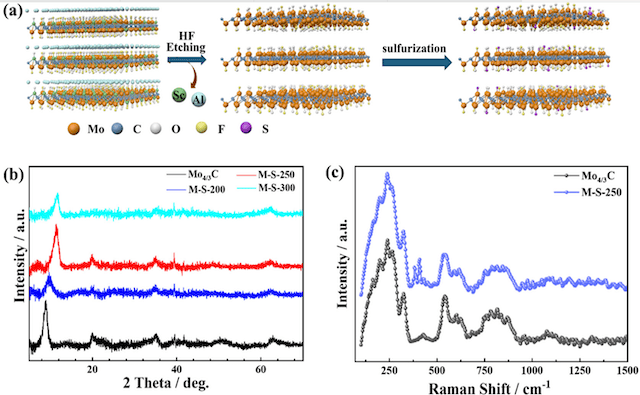
1.15. 26 Dec 2025, ACS The Journal of Physical Chemistry, Catalytic Performance of Single and Double Metal MXenes for the Hydrogen Evolution Reaction, "We show that H adsorption is generally exothermic across all 11 MXenes; several MXenes exhibit adsorption free energies comparable to or closer to zero or even with values smaller than those for H/Pt(111), highlighting the potential of MXenes as HER electrocatalysts. Notable exceptions include MoVCO2, MoNbNO2, and Nb3CNO2, which display less favorable adsorption thermodynamics."
1.16. 24 Dec 2025, Wiley Advanced Materials, High-Performance Zero-Gap Glycerol-Fed Electrolyzer for C3 Chemicals and Hydrogen Production, "Here, we present a membrane electrode assembly (MEA) featuring a platinum-decorated nickel foam (Pt/NiF) anode that sustains operation for 24 h at 500 mA cm−2 with an average cell voltage of just 1.21 V, outperforming all previously reported glycerol-fed electrolyzers operating below 1.5 V. The system exhibits >88% selectivity toward C3 products, achieving 227 mA cm−2 partial current density for lactic acid and 9% single-pass glycerol conversion."
1.17. 22 Dec 2025, Elsevier Journal of Catalysis, H2 production at positive potentials with a stable and bifunctional Ru0-RuO2Cy electrocatalyst, "The goal of the present work was to tune this new type of materials for the HER reaction, by adjusting their chemical composition and therefore its bifunctionality, resulting in outstanding HER activity and durability under both acidic and basic conditions."
1.18. 14 Dec 2025, MDPI, Sequential Ni-Pt Decoration on Co(OH)2 via Microwave Reduction for Highly Efficient Alkaline Hydrogen Evolution, "In this work, we report a facile and rapid solvent-free microwave-assisted strategy to synthesize Pt- and Ni-decorated Co(OH)2 catalysts. By tuning the loading sequence of Pt and Ni, we demonstrate that the sequential deposition of Ni followed by Pt yields Ni-Pt@Co(OH)2 with outstanding HER performance."
1.19. 13 Dec 2025, ACS Electrochemistry, Quaternary Ammonium Additives as Dual Inhibitors of Hydrogen Evolution and Cathodic Corrosion in Aqueous Electrosynthesis, "In this study, we explore how monomeric and dimeric QAS additives enhance the selectivity and stability of electrochemical reductions by modulating HER and cathodic corrosion at lead electrodes under acidic conditions (pH 1), where HER is typically pronounced. We hypothesized that QAS could favor electro-organic hydrogenation reactions over HER and corrosion by leveraging the mechanistic distinction between outer-sphere organic reductions and surface-mediated HER."
1.20. 04 Dec 2025, MDPI, A Core–Shell Pt–NiSe@NiFe-LDH Heterostructure for Bifunctional Alkaline Water Splitting, "Herein, we report a novel oxygen-vacancy-rich bifunctional electrocatalyst, Pt-NiSe@NiFe-LDH-Ov, synthesized via a facile electrodeposition and reduction method. It demonstrates exceptional performance, requiring low overpotentials of 280 mV for the HER and 344 mV for the OER to achieve current densities of 50 and 100 mA cm−2, respectively, in 1.0 M KOH. When employed for overall water splitting, the system requires a cell voltage of only 1.878 V to reach 50 mA cm−2."


R2. PROD: Bio / Pyrolysis / Radiolysis / Solar (20)

2.1. 29 Jan 2026, Nature Communications, Hydrocyclone-enhanced scalable photocatalytic hydrogen generation, from macroscale turbulence to nanoscale reaction dynamics, "Here, we show that shear stress-induced nanoscale lattice restructuring of the catalyst modulates photoexcitation pathways, triggers a threshold-activated catalytic amplification effect, and identifies an optimal flow rate of 20-30 L/min. These findings reveal a multiscale force–chemical coupling mechanism linking reactor-scale hydrocyclone flow fields to lattice-scale strain-driven catalytic enhancement, guiding large-scale photocatalytic hydrogen production.
2.2. 29 Jan 2026, ACS Energy & Fuels, Green and Solvent-Free Synthesis of Cu–Nb Composites Decorated with Platinum Nanoparticles for Hydrogen Evolution from NH3BH3, "In this work, niobium-based material decorated with platinum nanoparticles (Pt NPs) was synthesized and applied as catalysts for H2 evolution through the hydrolysis of ammonia borane (NH3BH3). The supports were prepared by a mechanochemical route, followed by Pt NPs deposition, and characterized by FTIR, XRD, Raman, TEM, EDS, and XPS analyses. The results confirmed well-dispersed Pt NPs and strong metal–support interaction. Catalytic activity was evaluated under varying composition, catalyst dose, temperature, and UV light."
2.3. 28 Jan 2026, Nature Communications, A water-soluble copolymer for storage and electron conversion in photocatalytic on-demand hydrogen evolution, "Here, we present a water-soluble redox-active copolymer containing viologen moieties that can be charged with electrons upon visible light irradiation using a tris[4,4’-bis(tert-butyl)−2,2’-bipyridine]ruthenium(II) complex as chromophore. In the presence of a sacrificial donor, the system achieves charging efficiencies above 80% and fully maintains this state for several days. Subsequent acidification and the addition of various catalysts enable on-demand usage of the stored electrons for proton reduction to hydrogen with up to 72% efficiency."
2.4. 27 Jan 2026, Elsevier Thermal Science and Engineering Progress, Design optimization and performance comparison of green hydrogen production via PEM, alkaline, and solid oxide electrolyzers coupled with a geothermal power system, "This study conducts a parametric investigation and multi-objective optimization of hydrogen generation using three types of electrolyzers—proton exchange membrane (PEME), alkaline (AE), and solid oxide (SOE)—in combination with a geothermal power generation system. Because the SOE requires high operating temperatures, a solar plant is incorporated to preheat the water before it enters the electrolyzer, and the output power of the geothermal plant is supplied to the electrolyzer for hydrogen production in all configurations."
2.5. 23 Jan 2026, MDPI, From Porphyrinic MOFs and COFs to Hybrid Architectures: Design Principles for Photocatalytic H2 Evolution, "This review provides a comprehensive, design-oriented overview of recent advances in PMOFs, PCOFs, and hybrid porphyrinic architectures for photocatalytic H2 evolution. We discuss key structure–activity relationships governing light harvesting, charge separation, and hydrogen evolution kinetics, with particular emphasis on the roles of porphyrin metal centers, secondary building units, linker functionalization, framework morphology, and cocatalyst integration."
2.6. 20 Jan 2026, Nature Chemistry, Organic crystalline nanoparticles with a long-lived charge-separated state for efficient photocatalytic hydrogen production, "Here we report an organic molecule with an acceptor–donor–acceptor configuration that can self assemble into highly crystalline nanoparticles. Transient absorption spectroscopy reveals that these crystalline assemblies can induce an ultra-long-lived charge-separated state of up to 1.2 s, attributed to initial symmetry-breaking charge separation, followed by charge hopping across closely packed molecules."
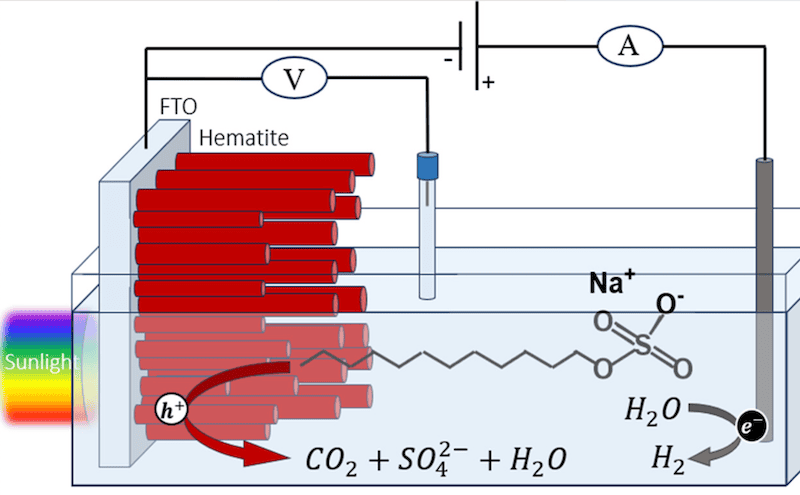
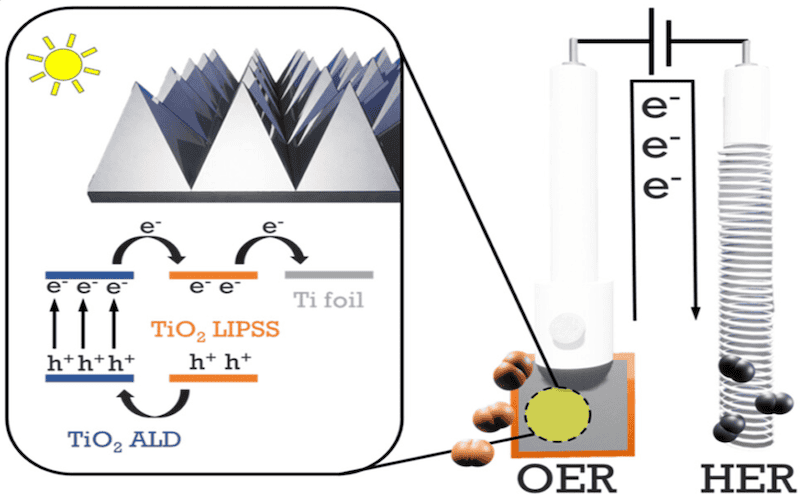
2.7. 16 Jan 2026, ACS Applied Materials & Interfaces, Tuning the Photoelectrochemical Properties of Ti/W-Modified PCN-222 Using Charge–Selective Interfaces, "Photoelectrocatalysis (PEC) has been touted as one of the most promising strategies for the synthesis of chemical fuels and value-added products. By coupling light absorption with charge transport and surface redox processes, photoelectrocatalytic systems can drive reactions such as water splitting, CO2 reduction, or selective organic oxidation reactions using sunlight as the only energy source."
2.8. 13 Jan 2026, MDPI, Earth-Driven Hydrogen: Integrating Geothermal Energy with Methane Pyrolysis Reactors, "This review examines the integration of geothermal energy and methane pyrolysis as a sustainable heat source, with a focus on Enhanced Geothermal Systems (EGS) and Closed-Loop Geothermal (CLG) technologies. Geothermal heat is a stable, carbon-free source of heat that can be used to preheat methane and start reactions. This makes energy use more efficient and lowers operating costs. Also, using flared natural gas from remote oil and gas fields can turn methane that would otherwise be thrown away into useful hydrogen and solid carbon."
2.9. 09 Jan 2026, Elsevier Surface and Coatings Technology, Green hydrogen production by an improved photoelectrochemical process with Ga-DOPED ZnO photoanodes on stainless steel substrates, "This study is the first in the literature to illustrate the dip-coating of Ga-doped ZnO electrodes onto stainless steel, the optimization of coating number and duration parameters, and the reporting of direct hydrogen production quantities. Thus, the study fills a gap in the literature in terms of both methodological innovation and performance, offering an applicable and scalable approach for sustainable hydrogen production."
2.10. 05 Jan 2026, MDPI, Investigation of Biogas Dry Reforming over Ru/CeO2 Catalysts and Pd/YSZ Membrane Reactor, "In this study, a Pd/YSZ membrane integrated with a Ru/CeO2 catalyst was evaluated for biogas reaction under varying operating conditions. The selective removal of hydrogen through the palladium membrane improved reactant conversion and suppressed side reactions such as methanation and the reverse water–gas shift. Experiments were performed at temperatures ranging from 500 to 600 °C, pressures of 1–6 bar, and a gas hourly space velocity (GHSV) of 800 h−1."
2.11. 04 Jan 2026, MDPI, Conventional and Intensified Steam Reforming of Bio-Oil for Renewable Hydrogen Production: Challenges and Future Perspectives, "This critical review presents an in-depth comparative analysis of conventional and intensified steam reforming of bio-oil, with a focus on associated challenges. Special attention is given to recent developments in the design of bifunctional materials (BFMs), which integrate both catalyst and sorbent into a single particle, along with process optimization focusing on key parameters, i.e., reforming temperature and steam presence."
2.12. 02 Jan 2026, Frontiers, Integration of concentrated solar power with solid oxide electrolysis for green hydrogen production: a comprehensive review, "This review addresses that gap by analyzing the technical and economic feasibility of integrating CSP with SOE systems. This review provides a comprehensive analysis of the integration between Concentrated Solar Power and Solid Oxide Electrolysis systems for green hydrogen production. The study examines critical technical challenges, including high operating temperatures, material compatibility, and heat transfer efficiency, while evaluating the economic feasibility of these integrated systems."
2.13. 31 Dec 2025, MDPI, Electrostatic Confinement of Photosensitizers within Molybdenum–Sulfur Cluster-Based Supramolecular Matrices for Efficient Dual-Photocatalysis: Hydrogen Evolution and Trifluoromethylation, "Herein, we present a crystallographic self-assembly strategy to construct Ru@MoS-MBIZ─a periodically ordered supramolecular architecture, wherein cationic photosensitizers, [Ru(bpy)3]2+, are electrostatically immobilized within cavities formed by anionic molybdenum–sulfur (Mo–S) clusters ([Mo3S7(MBIZ)3]–), enabling spatially defined coupling between light-harvesting and catalytic moieties. The atomically precise arrangement not only enhances structural stability and light absorption but also optimizes the electronic structure and energy-level alignment, facilitating efficient charge separation and directional charge transfer."
2.14. 30 Dec 2025, Journal of the American Chemical Society, Electrostatic Confinement of Photosensitizers within Molybdenum–Sulfur Cluster-Based Supramolecular Matrices for Efficient Dual-Photocatalysis: Hydrogen Evolution and Trifluoromethylation, "Herein, we present a crystallographic self-assembly strategy to construct Ru@MoS-MBIZ─a periodically ordered supramolecular architecture, wherein cationic photosensitizers, [Ru(bpy)3]2+, are electrostatically immobilized within cavities formed by anionic molybdenum–sulfur (Mo–S) clusters ([Mo3S7(MBIZ)3]–), enabling spatially defined coupling between light-harvesting and catalytic moieties. The atomically precise arrangement not only enhances structural stability and light absorption but also optimizes the electronic structure and energy-level alignment, facilitating efficient charge separation and directional charge transfer."
2.15. 25 Dec 2025, MDPI, A Comprehensive Review on Hydrogen Production from Biomass Gasification, "Hydrogen production through gasification is one of the most consolidated routes with plenty of operative industrial-scale plants. The field of gasification is quite complex, and this comprehensive review describes the current scientific and technological achievements of biomass gasification for hydrogen production, describing the effect of feedstock, reactivity phenomena, reactor design, and catalyst systems."
2.16. 22 Dec 2025, ACS Sustainable Resource Management, COFfee: A Coffee Waste@Anthraquinone COF Nanocomposite as a Photocatalyst for Green Hydrogen Production, "We report the one-pot synthesis of a novel waste coffee (WC)-based covalent organic framework (COF) nanocomposite, WC@DqTp, via a vortex-assisted solvothermal method. Integrating an anthraquinone-based COF (DqTp) with WC enhances its photocatalytic performance through improved charge separation."
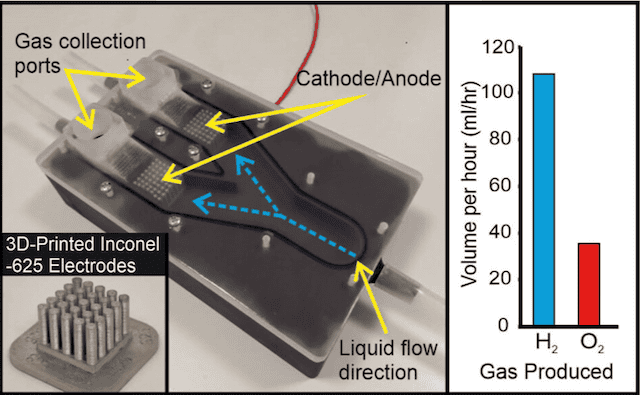
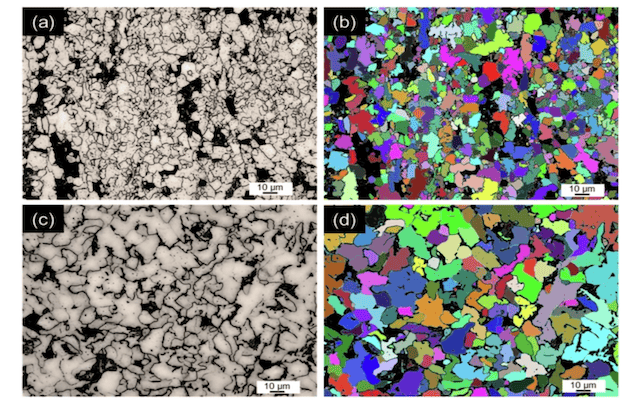
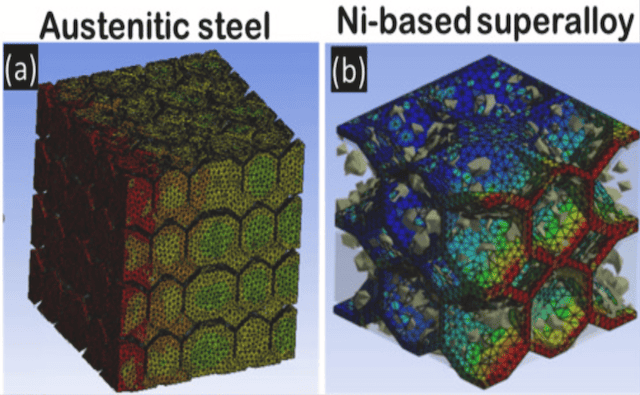
2.17. 15 Dec 2025, Nature Scientific Reports, Hydrogen-induced microstructural evolution in a nickel-based alloy under high-temperature and high-pressure conditions, "This study directly visualizes hydrogen-induced microstructural evolution in Inconel 600, a Ni-based alloy, under 1–3 GPa employing in situ high-energy X-ray diffraction, transmission electron microscopy, and electron backscatter diffraction. Hydrogen absorption promoted pressure-dependent lattice expansion, hydride formation behavior, and dislocation multiplication."
2.18. 15 Dec 2025, ACS Inorganic Chemistry, Cluster-Engineered Titanium Metal−Organic Aerogels as Tunable Platforms for Post-synthetic Doping and Enhanced Photocatalytic Hydrogen Production, "Herein, we describe the synthesis, characterization, doping process and photocatalytic HER performance of a new series of Ti-based MOGs. In a departure from single-step MOG syntheses of systems mentioned above, to enhance the control over the final structure, in this case we employed a two-step approach involving the presynthesis of a discrete octanuclear titanium cluster that is afterward cross-linked by benzene-1,3,5-tricarboxylato ligands in a second step to yield a meso-macroporous MOA."
2.19. 11 Dec 2025, Nature Communciations, Dipole synergy enables fast directional charge transport for solar hydrogen and benzaldehyde coproduction, "Here, we report a synergistic strategy integrating the polarization electric field from asymmetric Zn3In4S9 and the interface dipole field induced by MoS2 to drive fast charge dynamics. The optimized 6%-MoS2/Zn3In4S9 exhibits notable photocatalytic performance, generating 41.19 mmol g-1 h-1 of hydrogen and 43.33 mmol g-1 h-1 of benzaldehyde, which is 11.8 to 12.2 times higher than that of Zn3In4S9."
2.20. 09 Dec 2025, Elsevier Case Studies in Thermal Engineering, A Rankine–Kalina Combined Cycle Hybrid System Integrated with Low-Temperature Geothermal and Solar Energy for Sustainable Hydrogen Production: Comprehensive 9E Analysis, "This study offers significant and multifaceted contributions to the literature by proposing a hybrid energy system that integrates low-temperature geothermal energy with solar energy for hydrogen production."


R3. PROD: Geologic / Natural Hydrogen (20)

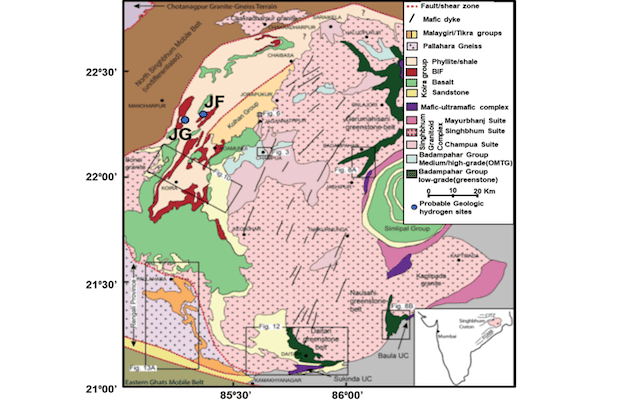
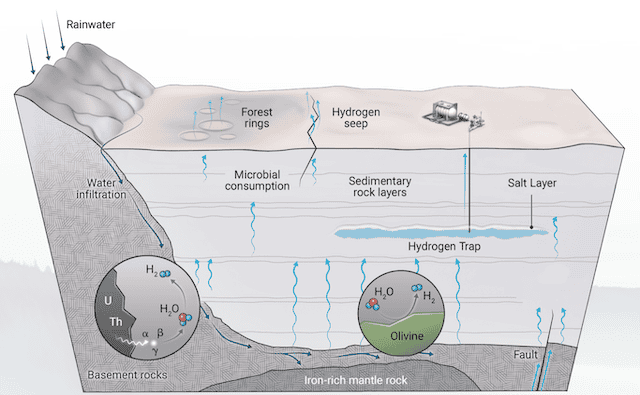
3.1. 25 Jan 2026, Elsevier Chemical Geology, Hydrogen generation potential of peridotites and pyroxenites in ophiolitic settings, "This study combined mineralogical, whole-rock compositional, and redox-state analyses, along with thermodynamic modeling of spring waters. The major serpentinization event associated with mantle exhumation in the Middle to Late Jurassic was marked by extensive replacement of olivine, clinopyroxene, orthopyroxene by serpentine and subordinate magnetite. Alteration was more intense in olivine than in pyroxenes, resulting in higher serpentinization degrees in peridotites (~ 50 vol%), compared to pyroxenites (~ 10 vol%)."
3.2. 21 Jan 2026, Sprinker Nature, The relationship between natural hydrogen flow rates and production viability, "Here, we provide an attempt to estimate the size of potential economic resources of molecular hydrogen underground. We summarise the generation rates, flow rate estimates, and concentration measurements of natural hydrogen obtained from the scientific literature. By comparing these values with data from conventional hydrocarbon gas extraction operations and published values for the economics of hydrogen recovery, we conclude that self-replenishing (renewable), hydrogen systems will unlikely be sufficient to enable an economic recovery of natural hydrogen."
3.3. 09 Jan 2026, AU SA Energy & Mining Prospectivity Natural H2, Natural hydrogen occurrences and prospectivity, "A review of the hydrogen occurrence in Ramsay Oil Bore 1 concluded that The Minlaton Oil Bore encountered moderately saline groundwater at 160 ft (48.77 m). Water radiolysis associated with a high radioactive element content of the granite basement is the most likely source for the H2. However, a contributing H2 source possibly results from the interaction of the heavy brines with the biotite granite within the fractured basement rocks of the Tickera Granite. The available seismic data suggest that the basement faults in the vicinity of Minlaton Oil Bore extend into the Cambrian sediments. These faults could provide migration pathways for downward movement of heavy brines from the saline swamps as confirmed by the fact that the saline aquifer was penetrated by the Minlaton Oil Bore."
3.4. 31 Dec 2025, Elsevier Fuel, Gas adsorption behavior in organic-rich carbonate source rocks: Insights into hydrogen storage, methane recovery, and CO2 sequestration in oil shales, "Herein, the factors controlling hydrogen, methane, and CO2 adsorption in unconventional organic-rich Jordan source rock samples are investigated, focusing on the roles of organic matter, mineral composition, and textural properties. The samples are characterized via multiple techniques, followed by adsorption experiments. The results reveal that H2 has the lowest adsorption capacity, being influenced by kerogen structure and organic nanopores, while CH4 adsorption increases with pressure and is primarily controlled by pore volume and surface area."
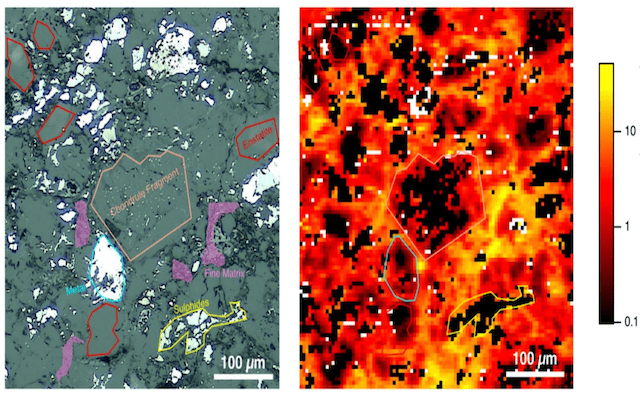
3.5. 22 Dec 2025, ArXiv, A First Look at Hydrogen Generation in an Ultramafic Rock with Micro-CT and SEM-BEX, "Here we present an in situ X-ray micro-tomography experiment in which an ultramafic granular pack of ultramafic from Papua Province, Indonesia, saturated with KI-doped brine, is heated to 100◦C with a pore pressure of 4 bar under 10 bar confining pressure inside a micro-CT scanner. Time-resolved 4D imaging captures the transition from a fully liquid-saturated pore space to the appearance and growth of a distinct gas phase after an 8 h induction period."
3.6. 30 Nov 2025, Elsevier Geoscience Frontiers, Multi-modal characterization of ultramafic rock: Precursors relevant to serpentinization and hydrogen generation, "Here we investigate a novel multimodal methodology for three-dimensional mineral characterization of an ultramafic rock associated with subsurface serpentinization and hydrogen generation. The approach integrates micro-CT, micro-XRF, XRD, and SEM-EDS to obtain complementary information on internal structure, elemental composition, and mineral phases, and, further, enables detailed classification and quantitative evaluation of key minerals such as olivine."
3.7. 25 Nov 2025, Frontiers, Global distribution, genesis, and enrichment characteristics of high-concentration natural hydrogen, "This study systematically synthesized the distribution characteristics, genetic mechanisms, and enrichment processes of high-concentration natural hydrogen globally, yielding four key insights: (1) Natural hydrogen originates from complex processes broadly categorized as organic and inorganic, predominantly including deep-Earth degassing, water-rock reactions, and radiolysis of water. (2) Hydrogen-rich accumulations exhibit widespread distribution, primarily occurring in rift systems, plate collision zones, subduction zones and their peripheries, as well as Precambrian iron-rich formations."
3.8. 14 Nov 2025, Nature Communications, Balancing in-plane pores and interlayer channels of porous MXene nanosheet membranes for scalable hydrogen purification, "Here, we engineer porous MXene nanosheets with artificially controllable in-plane pore to construct membranes with precise interlayer spacing, balancing the two types of channels for promising H2/CO2 separation. Optimal porous-MXene nanosheet membranes achieve a threefold increase in H2 permeance (1335 GPU) over nonporous-MXene nanosheet membranes (419 GPU) with comparable H2/CO2 selectivity."
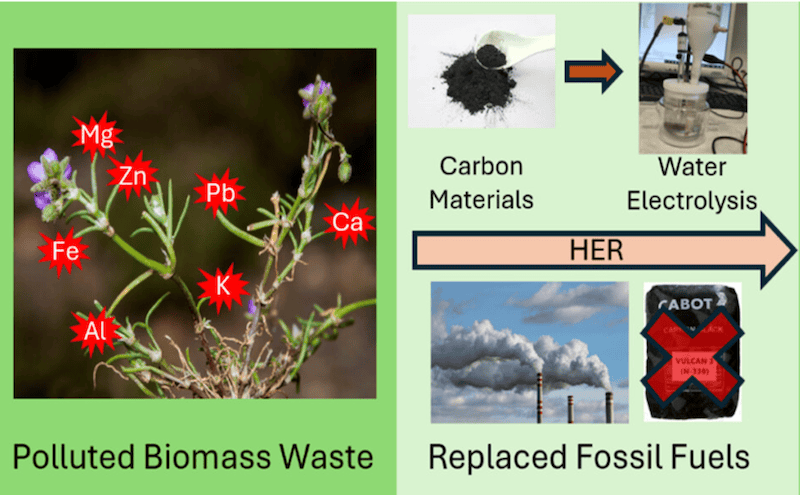
3.9. 28 Oct 2025, MDPI, Modification of Al2O3-Based Membranes with Carbon Black for Enhanced Hydrogen Permeation, "The advantages of carbon materials for gas separation applications include the following: (i) The porous structure of carbon materials, particularly activated carbon, offers a large surface area that enhances gas adsorption, improving separation performance. (ii) Carbon materials can be engineered to exhibit specific pore sizes and distributions, allowing for molecular sieving based on size exclusion and selective gas interactions."
3.10. 04 Oct 2025, Elsevier Marine and Petroleum Geology, Global-Scale AI-Powered Prediction of Hydrogen Seeps, "Here, we focus on sub-circular depressions (SCDs) that often mark high H2 concentration in soils, thought to correspond to deeper fluxes seeping at the surface, making them promising targets for exploration. Coupling open-access Google Earth© images and in-field H2 measurement data, an artificial intelligence model was trained to detect seepage zones."
3.11. 01 Oct 2025, MDPI, Assessing the Effect of Mineralogy and Reaction Pathways on Geological Hydrogen (H2) Generation in Ultramafic and Mafic (Basaltic) Rocks, "This study evaluates the impact of mineralogy, elemental composition, and reaction pathways on hydrogen generation in seven ultramafic and mafic (basaltic) rocks. Experiments were conducted under typical low-temperature hydrothermal conditions (150 °C) and captured early and evolving stages of fluid–rock interaction. Pre- and post-interactions, the solid phase was analyzed using X-ray Diffraction and X-ray."
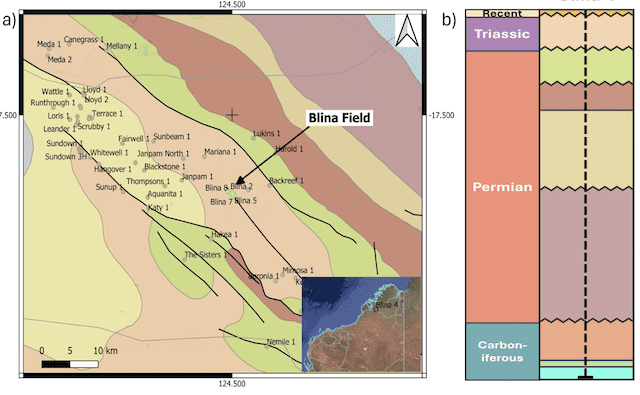
3.12. 30 Sep 2025, Government of South Australia, Prospectivity Natural hydrogen, "Natural hydrogen exploration become possible in South Australia on 11 February 2021 via regulatory changes to include hydrogen as a ‘regulated substance’ under the Petroleum and Geothermal Energy Act 2000 which was amended in 2023 to establish the Energy Resources Act 2000. Gold Hydrogen Ramsay 1 is the first well drilled in Australia specifically targeting natural hydrogen. In October-November 2023 the company reported hydrogen and helium indications (external site) in their Ramsay drillholes."
3.13. 11 Sep 2025, CSIRO, Unearthing natural hydrogen on South Australia's Eyre Peninsula, "Here we report the H2EX team used satellite thermal imagery, gravity and magnetic geophysical data, historical well logs and regional geology maps to pinpoint where hydrogen might be seeping to the surface. The result was the Eyre Peninsula’s first integrated hydrogen prospectivity map – a map highlighting slender 'corridors' where conditions suggest hydrogen gas is most likely rising through ancient faults to the surface."
3.14. 11 Sep 2025, Elsevier International Journal of Hydrogen Energy, Comparative analysis of hydrogen mixing with a selection of cushion gases in underground hydrogen storage during injection and production, "We investigate the dynamic mixing behavior of H2 with selection of cushion gases in the vicinity of the wellbore during the critical phases at the beginning of the injection cycle and the end of the production cycle. The evolution of the mixing zone during the displacement of H2-CH4, N, and CO2 in the rock core is determined utilizing core flooding measurements."
3.15. 05 Sep 2025, SCIENCE.ORG, Formation of breccia pipes associated with a hydrogen-rich hydrothermal system on the east Caroline plate in the West Pacific, "Here, we show that large hydrothermal pipes with steep walls and breccia-dominated bottoms suggest explosions of billion metric tons of TNT (trinitrotoluene) equivalent. More than 800 short-duration seismic events were detected within 28 days along a 150-kilometer profile, indicating widespread ongoing explosive gas release."
3.16. 03 Sep 2025, Nature, A prudent planetary limit for geologic carbon storage, "Understanding whether nations plan to maximize their use of storage resources for abating continued sources of emissions that could be avoided (for example, through the pursuit of blue, fossil-based hydrogen and fossil CCS) or strategically minimize the dependence of their climate strategies on carbon storage (for example, by deploying green, renewable-based hydrogen, other renewable-energy strategies and minimal CDR will enhance understanding of the robustness of mitigation plans."
3.17. 01 Sep 2025, PHYS.ORG, Sustainable energy: 'Fairy circles' can provide clues to depth of natural hydrogen sources, "A study subsidized by OMV and led by Schöpfer has now been able to explain, with the help of geomechanical computer simulations, why Earth's surface subsides in hydrogen-emitting fairy circles. According to the study, the reason for this is the interaction between gas and water flow and the soil (sediment) in a two-phase process."
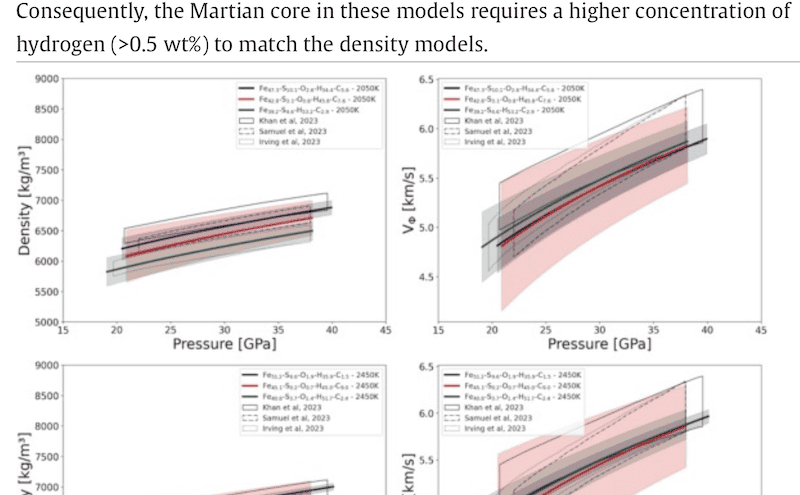
3.18. 25 Aug 2025, ArXiv Cornell University, Core-mantle partitioning and the bulk Earth abundances of hydrogen and carbon: Implications for their origins, "Here we determined the metal/silicate partition coefficients of hydrogen and carbon, DH and DC, simultaneously under typical conditions of Earth's core formation. Experiments demonstrate that both DH and DC diminish in the presence of carbon and hydrogen, respectively, indicating their strong interactions in liquid metal."
3.19. 13 Aug 2025, REV Exploration, REV Exploration Announces Closing Of Aden Dome Natural Hydrogen Acquisition, "VANCOUVER, British Columbia – REV Exploration Corp. is pleased to announce that, further to its previous news releases, the Company has received final approval from the TSX Venture Exchange and completed the acquisition of the Aden Dome Natural Hydrogen Project in Alberta."
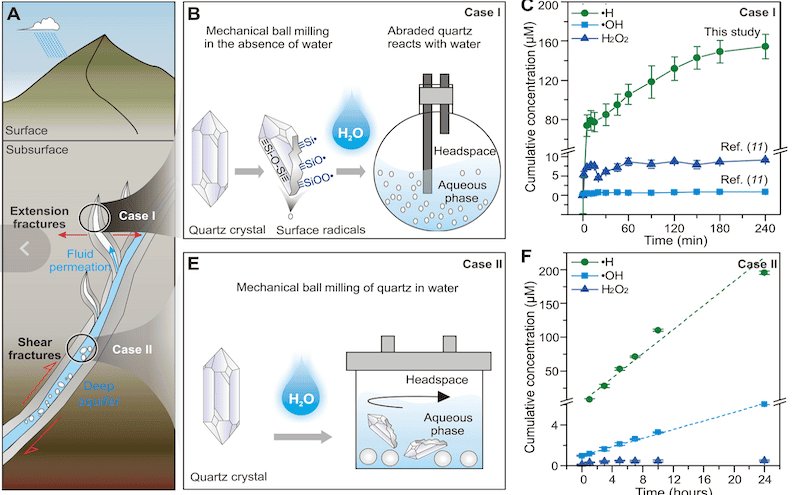
3.20. 18 Jul 2025, SCIENCE.ORG, Crustal faulting drives biological redox cycling in the deep subsurface, "Here, we present experimental evidence revealing the chemical reactions underpinning radical-induced water splitting in the presence of Fe relevant to the deep subsurface. We selected quartz as a model mineral because of its simple chemical composition and the fact that Si─O bonds readily generate radicals through homolysis."


R4. FUEL CELL: AEMFC / MCFC / SOFC (20)

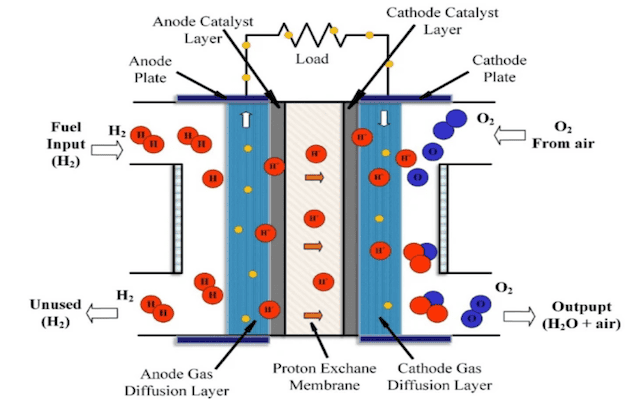
4.1. 30 Jan 2026, Elsevier Next Energy,Recent advances in fuel cell design and modeling: A comprehensive review, "This review provides a comprehensive and current synthesis of recent fuel cell modeling and design, uniquely integrating bibliometric trends, experimental advances, and computational methods across all major types of fuel cells. Emphasis is placed on numerical optimization strategies, advancements in multi-physics simulations, sustainable material innovations, and emerging approaches such as artificial intelligence-assisted modeling and integrated multi-scale frameworks."
4.2. 26 Jan 2026, MDPI,Enhancing Hydration Stability and Proton Transport in Nafion/SiO2 Membranes for Medium- to High-Temperature PEMFCs, "This study identifies the key structural and interfacial factors governing proton transport under MHT conditions, offering valuable guidelines for the rational design and optimization of next-generation composite PEMs."
4.3. 21 Jan 2026, Cell Reports Physical Science: MXene-based materials for proton-exchange membrane fuel cell applications, "This work showed that further understanding of MXene behavior in fuel cell environments is still required. It has been shown that additional efforts are still required toward the utilization of MXene-based materials for PEMFCs, and cost-effective approaches should be developed. This paper concludes that the integration of MXene-based materials appears to be promising to enhance PEMFCs’ performance and to achieve sustainable and clean energy production."
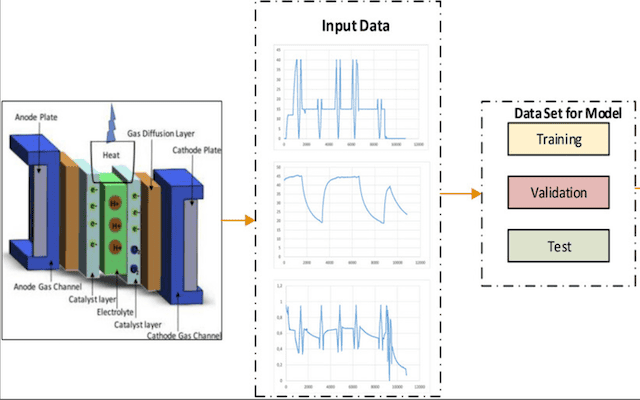
4.4. 20 Jan 2026, Elsevier Energy Conversion and Management: X, Machine learning for fuel cell remaining useful life prediction: A review, "This paper presents a structured and comprehensive review of recent ML-based approaches for FC RUL estimation, encompassing supervised, unsupervised, and hybrid methodologies, including regression techniques, support vector machines, ensemble models, neural networks, and advanced deep learning architectures. Despite notable progress, our analysis reveals persistent limitations in the current literature, particularly the widespread neglect of underlying electrochemical and physical degradation laws, as well as the scarcity and ambiguity of explicit RUL and End-of-Life labels in publicly available datasets."
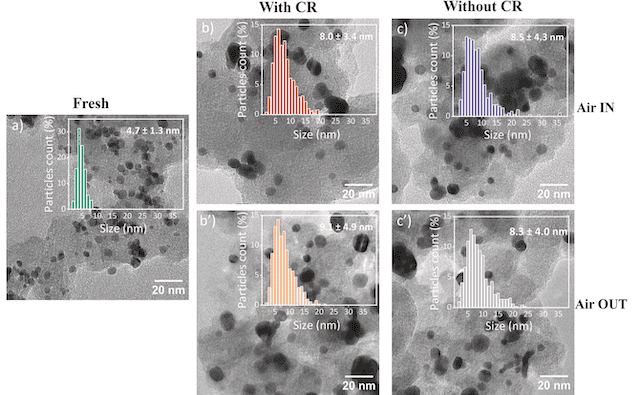
4.5. 06 Jan 2026, ACS Catalysis, Metal-Phthalocyanine-Based Advanced Catalysts for the Oxygen Reduction Reaction in Anion-Exchange Membrane Fuel Cells, "Here, we report the synthesis of metal-phthalocyanine catalysts (M = Fe, Mn, Co, Cu, Ni, Li, Sn) via a simple, single-step, room-temperature ultrasonication process. N2 adsorption–desorption isotherms and X-ray diffraction analyses confirm successful MPc deposition onto the Ketjen Black support. High-angle annular dark-field scanning transmission electron microscopy micrographs and the electron dispersive spectroscopy maps reveal a homogeneous distribution of the MPc catalysts."
4.6. 04 Jan 2026, MDPI, Pd/MnO2:Pd/C Electrocatalysts for Efficient Hydrogen and Oxygen Electrode Reactions in AEMFCs, "This study systematically investigates the electrochemical performance of the individual and hybrid catalysts toward both the HOR and ORR using RDE measurements, and further evaluates their viability as anode and cathode materials in AEMFCs. Particular attention is given to the dual role of MnO2 as a catalytically active and structurally stabilizing phase in composite electrocatalysts under alkaline conditions."
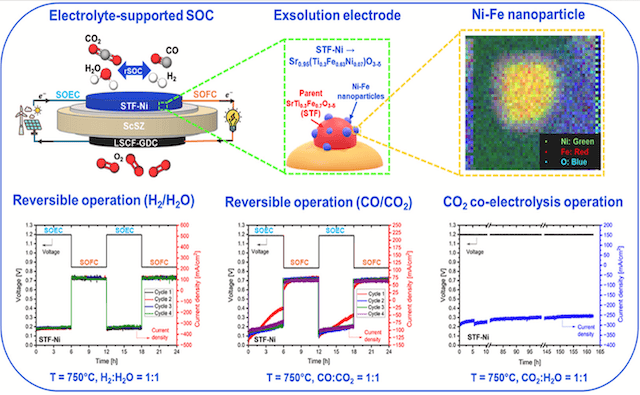
4.7. 31 Dec 2025, Elsevier Fuel, Mechanical and microstructural evolution of Ni-YSZ electrodes in solid oxide cells after long-term operation: insights from high-speed nanoindentation mapping and Gaussian mixture model clustering, "This work investigates the evolution of the hardness and elastic modulus associated with microstructural changes, using high-speed nanoindentation mapping technique combined with statistical analysis as a novel methodology to assess the Ni-3YSZ degradation under realistic operational conditions. Two industrially manufactured Ni-3YSZ cermets from electrode-supported cells are examined: one aged 20,500 h under fuel cell mode and another aged 2,500 h in electrolysis mode."
4.8. 29 Dec 2025, Elsevier International Journal of Hydrogen Energy, CFD-based optimization toolchain for channel geometry in PEM fuel cells with novel BPP material, "This work presents a generally applicable, physics-based methodology for optimizing flow channel designs in PEM fuel cells using CFD modeling and multi-objective optimization. A fully resolved 3D CFD model was developed to capture the coupled transport and electrochemical phenomena relevant to Proton Exchange Membrane Fuel Cell operation."
4.9. 25 Dec 2025, Nature Microsystems & Nanoengineering, A high-thermal-insulation and portable microreactor for integrating widely used planar-type SOFC and enabling handheld power generation, "We introduce a microreactor with high thermal insulation properties, which has been developed for integration with standard planar-type solid oxide fuel cells in portable power generation applications. While planar SOFCs offer high efficiency and energy density, their use has been largely limited to stationary applications due to challenges in thermal management and slow start-up times."
4.10. 16 Dec 2025, Elsevier International Journal of Hydrogen Energy, Electrochemical signatures in proton exchange membrane fuel cells: A comprehensive study based on distribution of relaxation times, "This study addresses this gap by analyzing more than 150 experimental EIS datasets collected from a single 25 cm2 PEMFC and processed using the DRT method extracting important features. The approach avoids preliminary assumptions that could introduce bias, allowing each spectral feature to be rigorously linked to its underlying electrochemical process."
4.11. 30 Nov 2025, MDPI, Experimental Assessment and Digital Twin Modeling of Integrated AEM Electrolyzer–PEM Fuel Cell–BESS for Smart Hydrogen Energy Applications, "This research presents a detailed experimental investigation and novel digital twin models for an integrated hydrogen-based energy system consisting of an Anion Exchange Membrane Electrolyzer, Proton Exchange Membrane Fuel Cell, hydrogen storage, and Battery Energy Storage System. Conducted at a real-world facility in Risavika, Norway."
4.12. 28 Nov 2025, Springer Nature, Integrated neural network and metaheuristic algorithms for balancing electrical performance and thermal safety in PEMFC design, "Here the research was aimed at improving the efficiency of PEMFCs by systematically analyzing the influence of critical operating variables on electrical performance. Recognizing the importance of operational optimization for reducing costs and ensuring practical deployment of fuel cell technology, the authors designed an experimental framework to examine how changes in four major factors affected the cell’s output."
4.13. 24 Nov 2025, Elsevier Journal of Power Sources, Simulating transient pore-scale behaviour of platinum degradation in PEM fuel cells using pore network modeling, "The present work, to the best of our knowledge, represents the first transient pore-scale model of platinum degradation in a PEM fuel cell catalyst layer. Unlike prior transient continuum models, this model explicitly resolves transport and degradation reactions within a pore network, allowing site-specific analysis of surface area loss and directly linking catalyst layer morphology with the degradation behavior. The work presented begins by detailing the generation of the pore network geometry."
4.14. 12 Nov 2025, MDPI, An Explainable Fault Diagnosis Algorithm for Proton Exchange Membrane Fuel Cells Integrating Gramian Angular Fields and Gradient-Weighted Class Activation Mapping, "This paper proposes a new interpretable fault diagnosis algorithm that integrates Gramian angular field (GAF) transform, convolutional neural network (CNN), and gradient-weighted class activation mapping (Grad-CAM) for enhanced fault diagnosis and analysis of proton exchange membrane fuel cells. The algorithm is systematically validated using experimental data to classify three critical health states: normal operation, membrane drying, and hydrogen leakage."
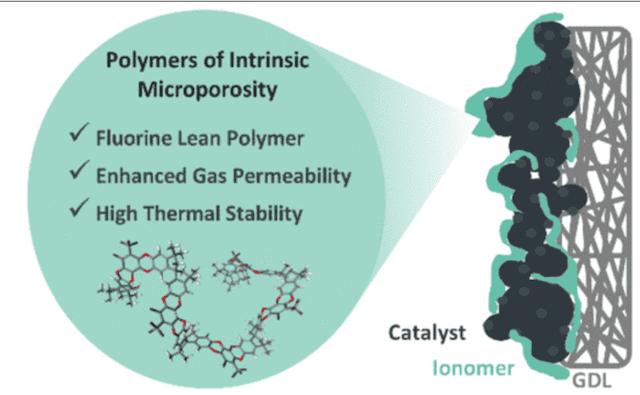
4.15. 11 Nov 2025, Springer Nature, Optimizing performance of ultra-thin gas diffusion layer-less PEMFCs via tailored transition layer thickness between catalyst and metal foam, "This study systematically investigates the effect of CNFF thickness on the performance of ultrathin GDL-less PEMFCs. Results demonstrate that the protective effect of CNFF on the catalyst coated membrane (CCM) is strongly correlated with its thickness. Specifically, thinner CNFF offers less protection to the catalyst layer, resulting in an 30% difference in electrochemical active surface area (ECSA). A moderate increase in thickness reduces ohmic overpotential and enhances Knudsen diffusion within the oxygen catalyst layer, while excessive thickness leads to a decrease in oxygen molecular diffusion."
4.16. 01 Nov 2025, Springer Nature, Electrochemical characterization of manganese-modified carbon nanofiber electrodes for potential fuel cell applications, "This study proposed to use polyacrylonitrile as the raw material to prepare catalyst carriers for electrode materials for potential fuel cell applications to optimize the electrochemical performance of hydrogen fuel cells. Meanwhile, to further enhance the service life of the hydrogen fuel cell electrode, the study modified the carbon nanocatalyst carrier with manganese acetylacetonate(III). The electrochemical performance and corrosion resistance of the manganese-treated modified electrode catalyst carriers were also tested."
4.17. 24 Oct 2025, Springer Nature, An enhanced neural network model for predicting the remaining useful life of proton exchange membrane fuel cells, "Our results show that the GMA model effectively captures the voltage degradation trend of the PEMFC, accurately reproducing the early rapid voltage drop and the later smooth degradation. Model performance is strongly influenced by the input and output configurations. Smaller input sizes lead to larger fluctuations in performance metrics, whereas larger input sizes provide more informative features and improve predictive accuracy."
4.18. 18 Oct 2025, Elsevier Electrochimica Acta, Electrochemical characterization and model investigation of BaZr0.625Ce0.2Y0.175O3-δ based proton conductive ceramic cells, "In this work, we study the electrochemical properties of BaZr0.625Ce0.2Y0.175O3-δ (BZCY62), a perovskite oxide applied as electrolyte of proton-conductive ceramic electrolysis cells (PCECs). To investigate the conductivity behavior, electrochemical impedance spectroscopy measurements were performed between 400°C and 600°C at varying molar fractions of O2 (21-2%), H2O (35-0.1%), and H2."
4.19. 14 Oct 2025, Elsevier Next Energy, Review on hydrogen fuel cells as an alternative fuel, "Hydrogen fuel cells are now specialized under the name portable power modules to highlight their newly discovered vehicle-mountable outboard engines. This review also targets the other issues of handling and encasing hydrogen fuel in specialized containers. All these gaps that revolve around the modern world are intertwined with one advancing vehicle engine to fix the ever-increasing global warming levels."
4.20. 14 Oct 2025, arXiv Applied Physics, Monitoring of Fluid Transport in Low Temperature Water Electrolyzers and Fuel Cells: Emerging Technologies and Future Prospects, "This review provides a comprehensive overview of recent advancements in measurement technologies for investigating fluid transport. We first outline the technical requirements of such analytical systems, and assess the capabilities and limitations of established optical, X-rays and neutrons based imaging systems."


R5. STORE: Type IV-V / MH / LH2 / LOHC / Geo (20)

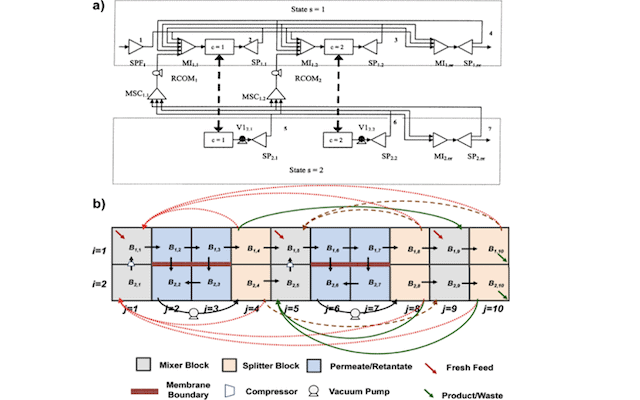
5.1. 27 Jan 2026, MDPI, Study on H2 Seepage Laws in Tree-Shaped Reservoir Fractures of the Storage Formation of Underground H2 Storage in Depleted Oil and Gas Reservoirs Considering Slip Effects, "In this study, the geometry of multilevel branching fractures was parameterized, and two classes of tree-shaped fracture configurations were constructed, including point–line-type (PLTSF) and disc-shaped (DSTSF) networks. Analytical models were developed to evaluate the equivalent permeability of tree-shaped fracture networks with either elliptical or rectangular cross-sections. The Klinkenberg slip correction and a gas-type factor associated with molecular kinetic diameter were incorporated."
5.2. 23 Jan 2026, SSRN, Numerical investigation of repurposing oil storage caverns for hydrogen storage using lined rock cavern (LRC) technology, "This study aims to assess the technical feasibility of converting underground oil storage caverns into Lined Rock Caverns (LRCs) for hydrogen storage, and to evaluate the material costs associated with two proposed design schemes. Two construction schemes are proposed and analyzed using numerical simulations, with parameters derived from an existing LRC demonstration project."
5.3. 22 Jan 2026, ACS Omega, Chirality-Driven Electronic, Mechanical, and Hydrogen Adsorption Properties of Dodecanophene Nanotubes, "We report a detailed theoretical investigation into the electronic, mechanical, and hydrogen adsorption behaviors of zigzag dodecanophene nanotubes with chiralities (n,0) and (0,n). Using density functional theory and classical reactive molecular dynamics simulations, we demonstrate that chirality and curvature strongly modulate the physical behavior of these nanotubes. The Dode-NTs (n,0) maintain a robust metallic character even under uniaxial strain, whereas Dode-NTs (0,n) with odd chiral indices exhibit a tunable semiconducting behavior, with frontier orbitals spatially separated along transverse and longitudinal directions."
5.4. 20 Jan 2026, Frontiers, Subsurface gas storage in porous reservoirs: a comparison of working gas capacity, deliverability and production between hydrogen and natural gas, "Using an exemplary storage formation, a numerical simulation model is set up in an open-source software and used to calculate and compare the stored volumes and energy contents for natural gas and hydrogen. Storage withdrawal and pressure profiles for both cases are developed. A pseudo gas is defined with individually alternating compressibility, density and viscosity behavior to independently assess the influence of these properties on the withdrawal rates."
5.5. 15 Jan 2026, MDPI, Hydrogen Permeation Behavior of Locally Reinforced Type IV Hydrogen Storage Vessels, "Here the H2 permeation behavior of a type IV H2 storage vessel with local reinforcement was investigated. The results show that both temperature and pressure have a significant influence on the H2 permeation performance of PA12. When the temperature is below the glass transition temperature of PA12 (48.34 °C), the diffusion coefficient remains low, whereas temperatures above the Tg led to a marked increase in the diffusion coefficient."
5.6. 14 Jan 2026, MDPI, Attribute-Guided Prestack Seismic Waveform Inversion—Methodology, Applications, and Feasibility to Characterize Underground Reservoirs for Potential Hydrogen Storage, "Here we first review the acoustic attribute-guided approach and the necessary steps to extend the method for isotropic elastic inversion. We then demonstrate the applicability of this elastic attribute-guided approach using synthetic and real seismic data. Using synthetic data, we then provide a potential future application to characterize the subsurface hydrogen storage reservoirs. Finally, we discuss results and make some concluding remarks."
5.7. 10 Jan 2026, MDPI, A Rock-on-a-Chip Approach to Investigate Flow Behavior for Underground Gas Storage Applications, "Large-scale storage solutions play a critical role in the ongoing energy transition, with Underground Hydrogen Storage (UHS) emerging as a possible option. UHS can benefit from existing natural gas storage expertise; however, key differences in hydrogen’s behavior compared to CH4 must be characterized at the pore scale to optimize the design and the management of these systems. This work investigates two-phase (gas–water) flow behavior using microfluidic devices mimicking reservoir rocks’ pore structure."
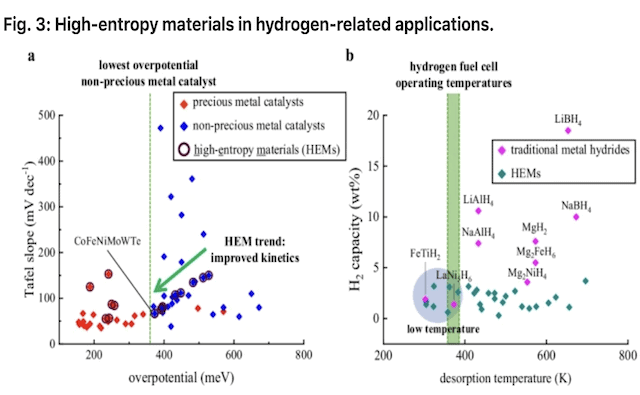
5.8. 07 Jan 2026, MDPI, Compositional Design of High-Entropy Alloys: Advances in Structural and Hydrogen Storage Materials, "This mini-review synthesizes recent advances in the compositional design of HEAs with emphasis on structural materials and hydrogen storage. Firstly, it provides an overview of the definition of HEAs and the roles of principal alloying elements, then synthesizes solid solution formation rules based on representative descriptors—atomic size mismatch, electronegativity difference, valence electron concentration, mixing enthalpy, and mixing entropy—together with their applicability limits and common failure scenarios."
5.9. 05 Jan 2026, Nature Scientific Reports, Design and synthesis of graphite/Ni/Cu/triptorelin peptide electrocatalyst for hydrogen production and storage, "In this research, a network of nickel and copper with a peptide framework was created on the surface of the graphite electrode by an electrochemical method, and then the performance of this electrocatalyst was evaluated for electrocatalytic hydrogen evolution reaction in an alkaline medium. The amount of peptide and metal cores in the network was optimized to achieve the maximum efficiency of performing the hydrogen evolution reaction, and the structure and morphology of the peptide frameworks were investigated by scanning electron microscopy (SEM), X-ray energy dispersive spectroscopy, mapping detector and X-ray diffraction techniques."
5.10. 03 Jan 2026, MDPI, Underground Hydrogen Storage in Saline Aquifers: A Simulation Case Study in the Midwest United States, "This study uses a fully compositional reservoir simulation model to evaluate hydrogen behavior in the Mt. Simon Sandstone in the Illinois Basin. The analysis focuses on the effects of hysteresis, solubility, diffusivity, and production well perforation location on recovery efficiency. Cyclic injection and withdrawal scenarios were simulated to assess storage performance and operational strategies."
5.11. 02 Jan 2026, Elsevier International Journal of Hydrogen Energy, Bio-derived liquid organic hydrogen carriers for reversible hydrogen storage, "This study reviews the concept of LOHC technology and several conventional LOHC pairs and places a research focus on bio-based LOHC systems development. In addition, recent advancements in the catalysts employed in (de) hydrogenation reactions of LOHC couples are discussed, emphasizing the key factors that increase their catalytic performance, including the nature of the active phase, the nature of support, dispersion, textural parameters, promoters, and synthesis method."
5.12. 27 Dec 2025, Elsevier Energy Conversion and Management, Latent heat-assisted thermal management of a metal hydride hydrogen storage reactor using novel shape-stabilized composite phase change material slurry, "This study introduces a novel cooling strategy based on a phase change slurry (PCS) integrated with advanced encapsulated core–shell phase change materials (PCMs), uniquely tailored to achieve simultaneous enhancement of thermal regulation and hydrogen uptake performance. To model the complex thermo-hydrodynamic interactions, a two-dimensional axisymmetric numerical framework is established using a mixture multi-phase Eulerian–Eulerian approach, which enables comprehensive analysis of energy transport between the water carrier fluid and composite PCMs."
5.13. 23 Dec 2025, Elsevier Energy, Multi-Temporal Forecasting Framework for Net-Zero Energy Management in Cold Climates via Synergistic Hydrogen–Battery Storage Shifting, "This study proposes a multi-horizon machine learning architecture for forecasting SOCs and orchestrating storage shifts in bi-level H2-BESS systems, supporting net-zero energy management in PV-driven buildings. The framework synergistically integrates varied timescale surrogate modeling — from short- to long-term temporal resolutions—with desirability-based multi-criteria optimization outputs and dynamic simulation-driven learning."
5.14. 22 Dec 2025, Springer Nature, Numerical Simulation of Free-end Effects on Local Scour Around a Full-scale Subsea Hydrogen Storage Accumulator, "In this study, the local scour characteristics around low-aspect-ratio subsea hydrogen storage accumulators with different free ends, namely flat tip (FT), tip with filleted edges, and approximate hemispherical tip, are investigated. The numerical simulation of the interaction between accumulators, ocean currents, and the seabed is conducted using the large eddy simulation (LES) model and the sediment scour model."
5.15. 04 Dec 2025, ArXiv, Strategies for zero boil-off liquid hydrogen transfer: an export terminal case-study, "We show two strategies to achieve zero boil-off losses for the transfer of 160 000 m3 LH2 (11 248 tons) using a centrifugal pump. In the first strategy, a pump with variable speed drive (VSD) and split-range control for the flow rate achieves losses from 0 wt% to 0.24 wt% in an uncertainty analysis. A pump efficiency approaching 70% is the most important factor to minimize losses."
5.16. 29 Nov 2025, MDPI, The Effects of Operational Condition Changes in a Metal Hydride Hydrogen Storage Tank on Operational Continuity as a Means of Transport, "The purpose of the article was to identify the tank time constant, which must be known in order to ensure that the MH storage tank installed in the transport vehicle functions properly. For that purpose, an analytical calculation was created to identify the average tank temperature as a function of time. This calculation facilitates the practical identification of MH storage parameters, without the need for long numerical calculations."
5.17. 27 Nov 2025, MDPI, Influence of Injection Well Location on Hydrogen Storage Capacity and Plume Migration in a Saline Aquifer: A Case Study from Central Poland, "In this study, we aimed to assess the impact of well location within the Jeżów anticlinal dome structure (central Poland) on storage capacity and hydrogen plume migration. A geological model of the structure was developed and used in TOUGH2 (version 2.0) software to simulate nine injection scenarios with different well placements. The results indicate that storage capacity increases with both the secant dip angle relative to the top of the dome structure and the tangent dip angle at the well location, reaching a maximum in areas with the steepest dip."
5.18. 14 Nov 2025, Nature Communications, Synthesis of crystalline polyamide for synergistically strengthening anticorrelated mechanical property and high-temperature capacitive energy storage, "Here an all-organic synthesis route is exploited to synergistically realize high mechanical strength (378.3 MPa), breakdown strength (682 MV/m), energy density/efficiency (6.06 J/cm3 at η = 90%, the peak value reaches 10.29 J/cm3) at 150 °C in fabricated crystalline polyamide film, which respectively has an enhancement (81%, 88%, 2231%) than that of polyimide film, whose comprehensive performances present definite preponderance among existed polymer dielectrics."
5.19. 02 Nov 2025, Wiley Advanced Materials, Engineered Protein-Based Ionic Conductors for Sustainable Energy Storage Applications, "Here we demonstrate the potential of protein engineering to enhance the ionic conduction properties of CTPR-based protein film assemblies. This is achieved through selective incorporation of glutamic acids in the CTPR sequence, which introduces additional charged residues. As a result, we observed a significant increase in the ionic conductivity of protein films, directly linked to the increased number of glutamic acids engineered into the composing proteins."
5.20. 31 Oct 2025, ACS Applied Energy Materials, A Lightweight Beryllium Metal–Organic Framework for Combined Physical and Chemical Hydrogen Storage, "In this work, we report the synthesis and structural characterization of the beryllium-based metal–organic framework of general formula [Be4O(BDC-NH2)2.5(OAc)] (Be_BDC_NH2), designed for combined physical and chemical hydrogen storage applications. The material was extensively characterized through a plethora of solid-state techniques (including less conventional 9Be NMR-MAS spectroscopy)."


R6. APP: Automotive / Rail Industry (20)

6.1. 12 Jan 2026, MDPI, Study on the Energy Demand of Vehicle Propulsion to Minimize Hydrogen Consumption: A Case Study for an Ultra-Energy Efficient Fuel Cell EV in Predefined Driving Conditions, "The article aims to study the electrical energy demand of an ultra-energy efficient vehicle intended for a Shell eco-marathon competition in order to minimize hydrogen consumption. The study was carried out over a single lap on the racing track in Nogaro, France while applying the race rules from the competition in 2023. It includes a numerical evaluation of the vehicle resistance forces in different driving strategies and experimental validation on the propulsion test bench."
6.2. 06 Jan 2026, BMW, BMW: Hydrogen Will Play A ‘Crucial Role’ In The Car Industry, "BMW’s CTO highlights one key advantage of fuel cell vehicles. An FCEV would make BMW less reliant on certain raw materials than conventional EVs, which require large battery packs. Naturally, hydrogen cars are also seen in Munich as another tool for achieving decarbonization. “We are convinced that our strategy of technological openness is absolutely right."
6.3. 14 Dec 2025, Hyundai, All-new Hyundai NEXO Achieves Maximum Five-Star Rating in Euro NCAP Safety Assessment, "Hyundai Motor Company announced that the all-new Hyundai NEXO has achieved the highest possible five-star rating in the latest Euro NCAP safety assessment, reaffirming the company’s dedication to delivering class-leading safety across its electrified lineup. As Hyundai’s next-generation hydrogen fuel-cell electric SUV, the NEXO emits only water vapor and exemplifies the company’s vision for zero-emission mobility. Its top rating adds strong validation to Hyundai’s pursuit of safety excellence."
6.4. 14 Nov 2025, Toyota, Pushing Hydrogen Engine Technology to New Heights in the Super Taikyu Series Final Race, "The liquid hydrogen-powered GR Corolla achieved significant progress during the ENEOS Super Taikyu Series 2025 Empowered by BRIDGESTONE Round 3 NAPAC Fuji 24 Hours Race, held from May 30 to June 1. These included enhanced safety and weight reduction through the introduction of a new filling valve, and the successful demonstration of a hydrogen engine combustion switching technology."
6.5. 03 Nov 2025, Toyota, Hydrogen Fuel Cell Toyota Tacoma H2-Overlander Concept Can Charge Your Buddy’s EV in the Great Outdoors and Filters Water, Too, "The Toyota Tacoma H2-Overlander Concept can venture deep to the great outdoors, tread lightly and leave no traces, thanks to its hydrogen fuel cell electric and battery electric technologies that deliver only water as the tailpipe emissions built into the proven TNGA-F truck platform and features a 15-kW power takeoff capable of running something as power-intensive as a home off-grid or even charging two EVs simultaneously via dual NEMA 14-50 outlets."
6.6. 11 Oct 2025, MDPI, Injection Strategies in a Hydrogen SI Engine: Parameter Selection and Comparative Analysis, "This study focuses on the analysis, parameter selection, and comparison of single early and late direct injection, single injection with ignition occurring during injection (the so-called jet-guided operation), and dual injection in a hydrogen spark-ignition engine. The applicability and effectiveness of these injection strategies are assessed using contour maps, with ignition timing and start of injection as coordinates representing equal levels of key engine parameters."
6.7. 07 Oct 2025, Elsevier International Journal of Hydrogen Energy, An experimentally validated curve-fit model of a hydrogen-fueled internal combustion engine for use in techno-economic analyses, "This study introduces a zero-dimensional model for a 100 % hydrogen engine, calibrated using experimental data under varying loads and air-fuel ratios. Unlike existing models, it proposes validated electrical efficiency data across multiple operating points. Efficiency curves are provided in quadratic and linear forms, allowing integration into diverse energy system simulations, including linear programming."
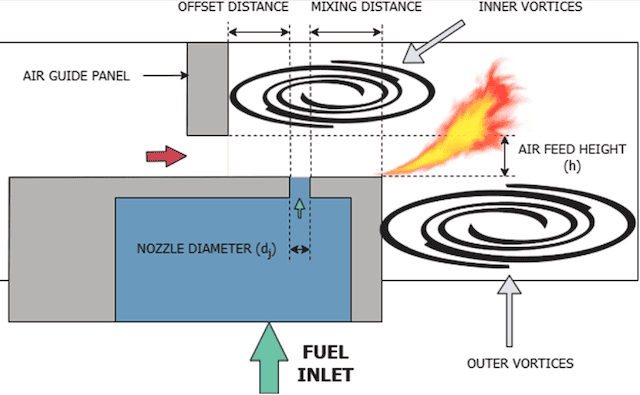
6.8. 17 Sep 2025, Elsevier Combustion and Flame, Modelling thermodiffusive instabilities in hydrogen flames and their impact on the combustion process in a direct-injection hydrogen engine, "This study addresses a critical knowledge gap regarding the role of thermodiffusive flame instabilities in accurately replicating the combustion process of a direct-injection internal combustion engine within a RANS simulation framework. Indeed, while these instabilities have been shown to significantly enhance the mixture consumption rate in quiescent environments at low to moderate pressures and temperatures."
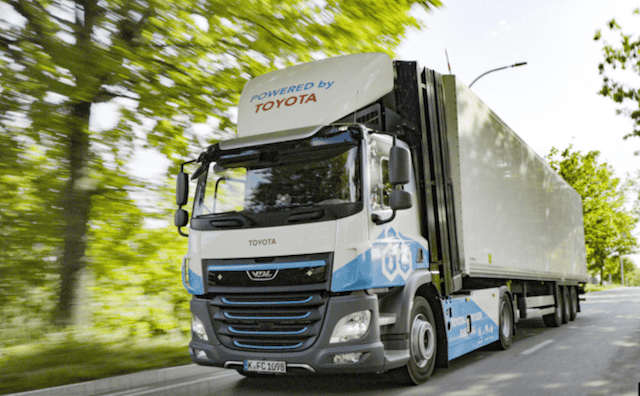
6.9. 09 Sep 2025, Daimler, H₂ Coach technology carrier: first Setra touring coach powered by fuel cell, "The fuel cell unit with a total output of 300 kW converts H2 into electrical energy, which is converted into mechanical drive energy by the central motor. The electric motor is designed for a continuous output of 320 kW and a maximum output of 400 kW, with a torque of 1,368 Nm and 2,470 Nm respectively. The integrated battery pack serves to temporarily store the electrical energy and to provide situational power support in order to operate the fuel cell with optimum efficiency."
6.10. 07 Sep 2025, Elsevier Case Studies in Thermal Engineering, Design and Optimization of Hydrogen Fuel Cell-Powered Aerial Vehicles for Urban Air Mobility, "The study involves combining aerodynamic and propulsion techniques to optimize rotor efficiency through blade twist and chord distribution, reduce parasitic drag with a streamlined fuselage structure, and enhance rotor fuselage aerodynamic interactions to increase the lift-to-drag ratio. These are made specific to achieve set performance goals in the areas of extended range and endurance."
6.11. 05 Sep 2025, Springer Nature, Quantifying the mixing behavior of direct injected hydrogen in high-pressure environments by Rayleigh scattering, "Here the theoretical background and assumptions for the quantification are followed by the descriptions of the experimental setup, and post-processing methods in the methodology section. The results section discusses a validity check of some of the assumptions and presents the evolution of mole fraction field inside the jet throughout time. The jets are evaluated at different injection pressures and at two different pressure ratios for argon and nitrogen ambient gases."
6.12. 03 Sep 2025, Elsevier International Journal of Hydrogen Energy, Neural network approach for the energy management and gear selection of a fuel cell electric vehicle, "This paper proposes an advanced energy management strategy for FCEVs based on artificial neural networks (ANNs), aiming to optimize the power distribution between the fuel cell and the battery while enhancing overall system efficiency. The ANN was trained on data generated from a cost function designed to minimize hydrogen consumption, stabilize battery state of charge, and maximize fuel cell efficiency."
6.13. 31 Aug 2025, Elsevier Case Studies in Thermal Engineering, Effect of injection position on in-cylinder airflow motion and combustion in a diesel-ignited hydrogen free-piston engine, "This study aims to deeply analyze the variation laws of in-cylinder airflow dynamics and combustion characteristics of hydrogen-fueled free-piston engines by adjusting the diesel injection positions. In view of the special structure of the engine, a new coupling model integrating dynamics and thermodynamics principles was constructed, and iterative algorithms were used to carry out computational analysis."
6.14. 23 Aug 2025, Elsevier International Journal of Hydrogen Energy, Potential of ammonia as H2 carrier for dual-fuel combustion in CI engines, "Here the feasibility and implications of using ammonia in dual-fuel combustion mode are analyzed in a single-cylinder, medium-heavy duty, compression ignition engine at low load, with energy substitution ratios up to 30 %. An optimization process based on the response surface methodology is carried out to achieve the best operating conditions with ammonia."
6.15. 20 Aug 2025, Cell Reports Physical Science, Lessons from internal-combustion engines should aid the development of electric vehicles, "We demonstrated that addressing the root causes of the side effect problem using a systemic approach is difficult, prompting a shift from a systemic approach to an intrinsic approach to side effect management, as shown by the red line in the figure. In recent years, significant changes have occurred in how ICEs address emissions, such as the use of cleaner fuels like hydrogen."
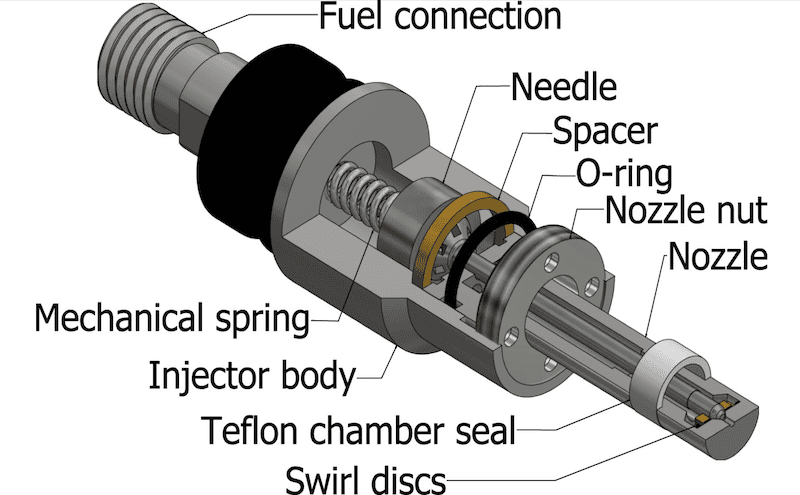
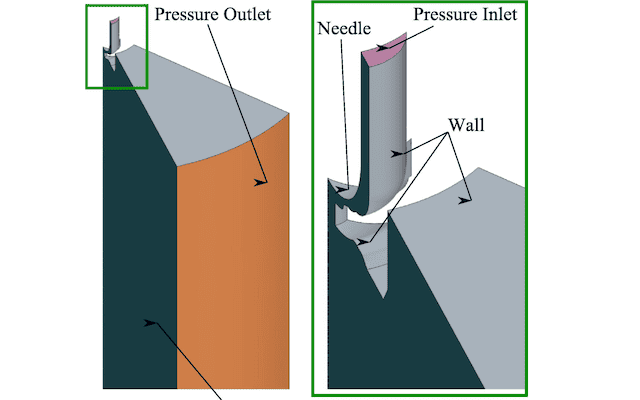
6.16. 07 Aug 2025, Elsevier Experimental Thermal and Fluid Science, A framework to characterize the flow of high-pressure hydrogen injectors, "In this study, a novel framework will show that combining mass, momentum, and needle lift will allow for a comprehensive characterization of the losses of gaseous flow in a fuel injector. The needle lift additionally defines the inner geometry of the injector (open position), which is critical input for computational fluid dynamics simulations of a non-ideal compressible jet."
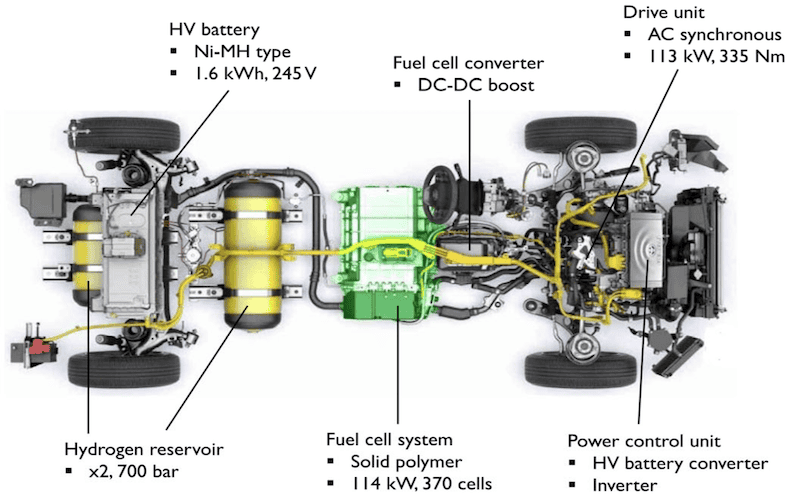
6.17. 01 Aug 2025, MDPI, Data-Driven Modelling and Simulation of Fuel Cell Hybrid Electric Powertrain, "We adopt a system-level modelling approach to replicate the operational behaviour of the Toyota Mirai’s hybrid powertrain through a digital simulator. While physical modelling can capture detailed component-level dynamics, it is often complex and computationally intensive. Instead, a data-driven approach is employed, using experimental data from the ANL report to develop simplified yet accurate models for each subsystem, which show strong agreement with the source data."
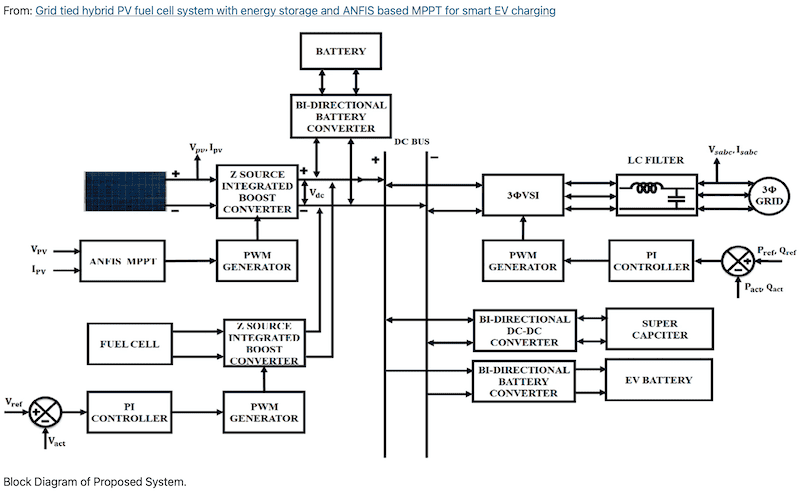
6.18. 28 Jul 2025, Nature Scientific Reports, Grid tied hybrid PV fuel cell system with energy storage and ANFIS based MPPT for smart EV charging, "Here, simulation results demonstrate effective voltage boosting from 110 V to 150 V and a regulated output of approximately 1100 V at 30 A, with the PV-side current stabilized at 500 A. The fuel cell maintains a steady output of 110 V while its current decreases from 40 A to 25 A, and the battery retains a 60% state-of-charge (SOC) at 120 V output."
6.19. 05 Jul 2025, Elsevier International Journal of Hydrogen Energy, Understanding deactivation and reactivation of oxidation catalysts in hydrogen combustion engines, "This research investigates the deactivation phenomena of oxidation catalysts in exhaust gas aftertreatment systems of hydrogen internal combustion engines (-ICEs). The study observes an unexpected catalyst deactivation during extended cold start operation, which is partially reversible through lambda variation and increased exhaust temperatures."
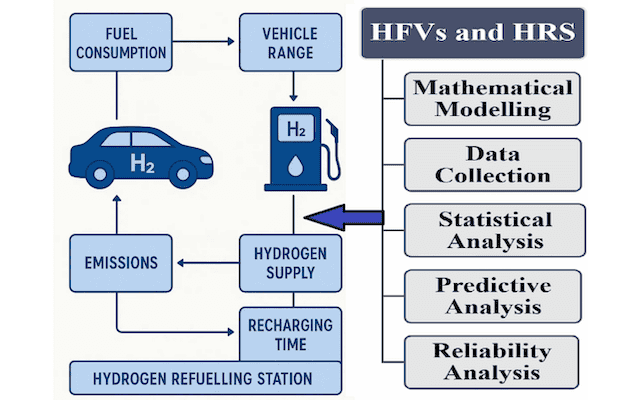
6.20. 01 Jul 2025, Next Energy, Predict the performance of hydrogen fueled vehicle and their refueling station through the data analysis based approach, "This study proposes a novel predictive framework integrating mathematical modeling, state-space analysis, and advanced data mining techniques, supported by reliability analysis, to evaluate the performance of HFVs and their associated refueling infrastructure. Utilizing a public dataset of 500 real-time operational data points, key performance indicators are statistically analyzed."


R7. APP: Aviation / UAS Industry (20)

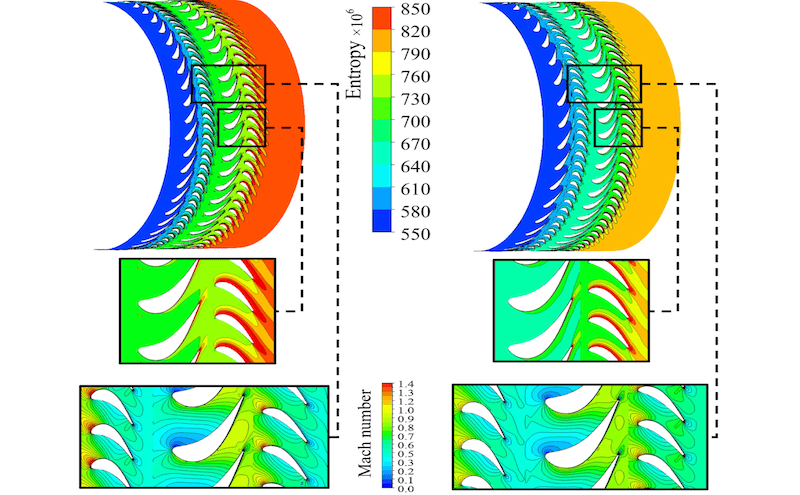
7.1. 23 Jan 2026, MDPI, Turbocharging Matching Investigation for High-Altitude Power Recovery in Aviation Hydrogen Internal Combustion Engines "This study utilizes a combined experimental and simulation framework to investigate turbocharger matching for power recovery in a 1.4 L hydrogen engine. A simulation model was constructed and validated against experimental data within a 5% error margin to ensure technical accuracy. Theoretical compressor and turbine operating parameters were derived for altitudes ranging from 4 to 8 km, comparing two boost-pressure control strategies: variable geometry turbine and waste-gate turbine."
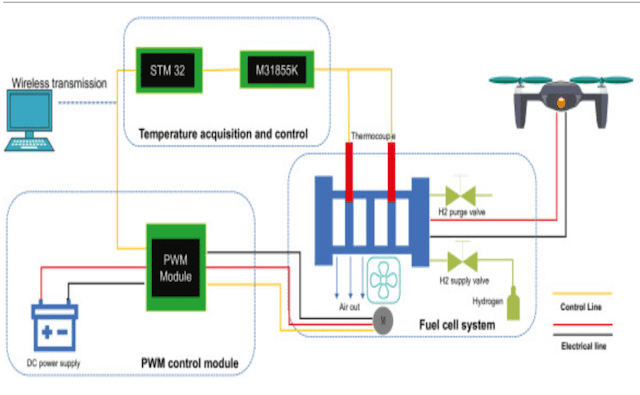
7.2. 23 Dec 2025, MDPI, Holistic Dynamic Modeling of Open-Cathode PEM Fuel Cells for Sustainable Hydrogen Propulsion in UAVs "This work presents the development, validation, and application of a comprehensive dynamic model of a 1 kW open-cathode PEMFC system, including complete balance of plant and control logic for four cooling fans, a purge valve, and a short-circuit unit. The model was validated through extensive experiments with step, triangular, and real-world UAV current profiles."
7.3. 20 Dec 2025, MDPI, A Modeling Approach for Assessing Vibration Immunity in Hydrogen Fuel Cell Stack for Aeronautical Applications "This paper presents the complete workflow, showing how simulation can reconcile disparate experimental observations, guide optimal sensor placement for future qualification campaigns, and reduce certification risk for fuel cell systems exposed to the unique shock and vibration environment of turboprop aircraft."
7.4. 05 Dec 2025, ACS Applied Polymer Materials, Characterizing Permeation Properties of Epoxy Resin for Enhanced Hydrogen Storage Tanks for Aviation Applications "This study investigates how different curing conditions affect the hydrogen gas permeation behavior of an epoxy resin system (LR285/LH287) certified for aerospace applications. The central research question addresses how the permeation coefficient of the material changes under varying thermal curing and postcuring regimes. To answer this, a dedicated experimental setup featuring a sample holder was developed."
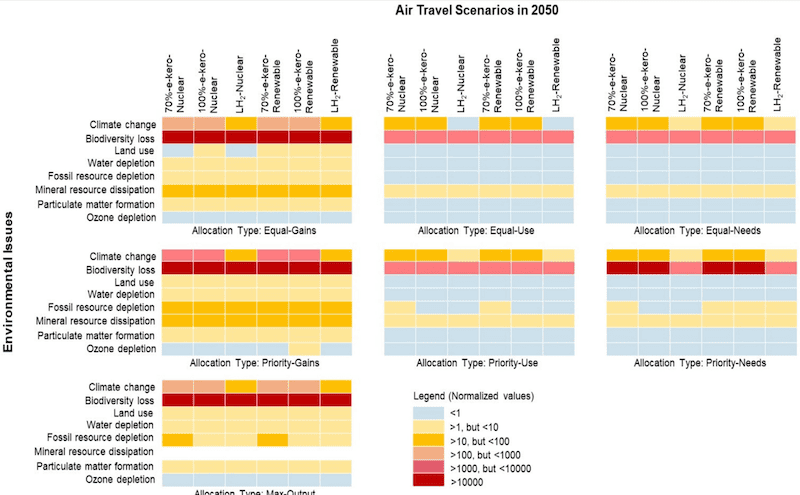
7.5. 21 Nov 2025, Wiley Advanced Energy & Sustainability, The Future of Hydrogen-Powered Aviation: Technologies, Challenges, and a Strategic Roadmap for Sustainable Decarbonization "This paper critically reviews hydrogen's role in aviation, covering production methods, propulsion technologies (fuel cells and hydrogen combustion engines), and cryogenic-storage systems. Key challenges are identified, including infrastructure development, storage complexity, safety, regulatory barriers, and economic viability. Notably, adopting liquid hydrogen is projected to increase direct operating costs by 10%–70% for short-range and 15%–102% for medium-range flights, mainly due to storage and supply-chain demands."
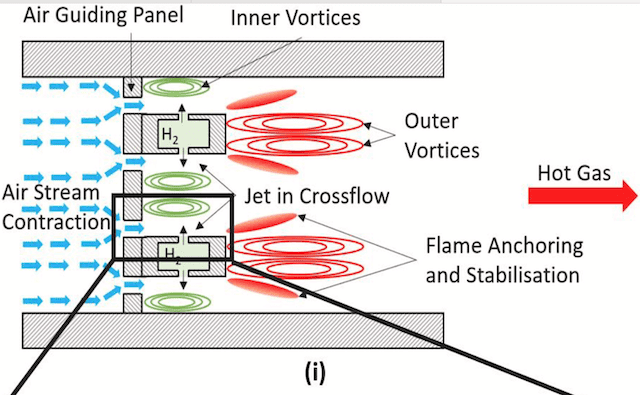
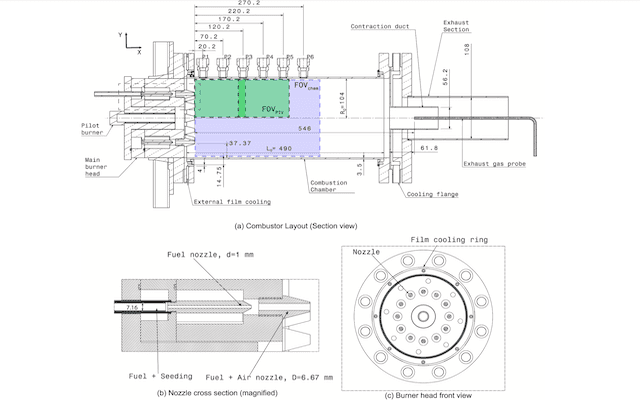
7.6. 19 Nov 2025, TU/e Eindhoven University of Technology, The race to create a completely clean and safe hydrogen gas turbine "One of the biggest challenges for the project is creating a stable flame in the burner. The speed of H2 combustion makes certain properties of the flame more difficult to control. One of them is flashback. By adding H2, the combustion rate in the flame will be significantly higher & the diffusion of H2 near the walls of the combustion chamber plays a significant role as H2 is lighter and faster than the other gases, it can accumulate in certain places near the burner in the gas turbine."
7.7. 06 Nov 2025, ZeroAvia, ZeroAvia Successful in €21m European Union Grant Application to Deliver World’s First Network of Hydrogen Aircraft in Norway "ZeroAvia’s ZA600 powertrain uses fuel cells to generate electricity from hydrogen fuel without reliance on combustion, meaning that the only emission is low-temperature water vapour. ZeroAvia has already flight tested a prototype of this system, is now ground testing its final design for certification, and concurrently working with both the UK Civil Aviation Authority and US Federal Aviation Administration on certification programmes related to the engine."
7.8. 21 Oct 2025, Elsevier International Journal of Hydrogen Energy, Ground testing and analysis of a liquid-hydrogen propulsion system for UAVs "This paper presents an experimental campaign on a complete liquid hydrogen (LH) propulsion system for small uncrewed aerial vehicles. The first part investigates the boil-off performance of five 12 L (0.85 kg) LH reservoirs with different internal designs. Results show average evaporation rates of 17–37 g/h and total evaporation times of 23–50 h, corresponding to endurance of up to 50 h depending on fabrication technique and insulation design."
7.9. 20 Oct 2025, MDPI, Hydrogen Propulsion Technologies for Aviation: A Review of Fuel Cell and Direct Combustion Systems Towards Decarbonising Medium-Haul Aircraft "This paper presents a comprehensive review of hydrogen propulsion technologies, highlighting key advancements in component-level performance metrics. It further explores the technological transitions necessary to enable hydrogen-powered aircraft beyond the regional category. The feasibility assessment is based on key performance parameters, including power density, efficiency, emissions, and integration challenges, aligned with the targets set for 2035 and 2050."
7.10. 03 Oct 2025, Springer Nature, Innovative aircraft heat exchanger integration for hydrogen-electric propulsion "Here it is shown that the proposed system performs best at an altitude of 11 km and with increasing freestream Mach number. Furthermore, the main challenges related to the combination of a thrust generation system with a heat exchanger in terms of sizing, in particularly the required heat exchanger dimensions, under different operating conditions are discussed."
7.11. 23 Sep 2025, Elsevier International Journal of Hydrogen Energy, Conceptual design and comprehensive study of a dual-mode engine integrated with hydrogen fuel cells and gas turbines for wide-body aircraft "This paper proposes a novel dual-fuel, dual-mode, dual-thermodynamic cycle aviation propulsion system for the first time, and conducts theoretical research on it based on a moderately simplified mathematical model. It is specifically designed to significantly reduce carbon emissions for wide-body aircraft. A comprehensive thermodynamic model is developed for this hybrid power system, which integrates a high-temperature proton exchange membrane fuel cell with a dual-rotor turbofan engine."
7.12. 20 Sep 2025, Blue Spirit Aero, ELEVATING CLEAN FLIGHTS TO NEW HEIGHTS "Blue Spirit Aero's aircraft lineup is transforming light aviation. Powered by clean, quiet hydrogen fuel cells, the Dragonfly models combine comfort, sustainability, and performance with unmatched operating efficiency. The future is here, and Dragonfly is leading the way."
7.13. 17 Sep 2025, Kelluu, KELLUU JOINS FINNISH-LED “DIGITAL DEMINING” PROGRAM TO TACKLE THE GLOBAL LANDMINE CRISIS "Kelluu is part of a Finnish world-class team developing new ways to clear landmines. Together with Patria, Saab, Nokia, Unikie and VTT, we are building solutions for one of the most dangerous global challenges. We use hydrogen as a source of energy, which is five times more energy-efficient and carries twenty times more energy onboard compared to commercial drones."
7.14. 25 Aug 2025, Springer Propulsion and Energy, The trans-critical process control of hydrogen based on a flow distribution method for enhancement of heat transfer "Of all the clean energy sources, H2 is considered one of the key measures to achieve net-zero emissions from aviation. Selecting H2 as a source of aerospace power offers significant advantages, including zero CO2 emissions and high energy density. An analysis indicates that the global demand for LH2 in the aviation industry could reach 17 million tons, resulting in a 9% reduction in CO2 emissions from global aviation by 2050."
7.15. 18 Aug 2025, Elsevier Applied Thermal Engineering, Novel two-phase based cooling systems for fuel cell electric aircraft "We present a novel cooling system for a fuel cell electric aircraft based on two-phase cooling with the natural refrigerant methanol. Three novel cooling systems are presented and evaluated by means of system simulation. The two-phase cooling systems comprise a pumped two-phase cooling circuit which is extended by a high-temperature refrigeration cycle."
7.16. 12 Aug 2025, Elsevier International Journal of Thermofluids, Numerical investigation of a turbine working with a highly unsteady exhaust flow of a hydrogen-driven rotating detonation combustion "This study aims at investigating the latter approach by employing the steady simulation method for an unsteady turbine optimization problem, highlighting the novelty of the research that speed up the simulation and analysis processes. The unsteadiness at the turbine inlet represents an RDC exhaust flow, which is generated by a 2D-Euler RDC simulation method, considering the turbine effects on the RDC operation."
7.17. 10 Aug 2025, Elsevier Sustainable Production and Consumption, Can hydrogen-powered air travel grow within the planetary limits? "Our findings uggest that projected medium-distance air travel powered by e-kerosene or liquid hydrogen could have life cycle environmental impacts that overshoot global climate change and biodiversity loss thresholds by several orders of magnitude."
7.18. 31 Jul 2025, Elsevier International Journal of Hydrogen Energy, Reducing emissions and fuel consumption in supersonic aviation with ammonia hybrid engines "We explore a supersonic hybrid electric engine for medium-haul airlines, combining ammonia-powered turbofan with a proton exchange membrane fuel cell. Mathematical modeling helps generate parametric dataset across different flight phases which is then used for training a physics-informed artificial neural network to identify optimum design points in terms of safety, efficiency and emissions."
7.19. 26 Jun 2025, Elsevier Combustion and Flame, A comprehensive experimental and numerical study on turbulent jet ignition mechanisms of lean hydrogen mixture using a super-rich pre-chamber combustion "This study aims to clarify fundamental aspects of the staged-combustion mechanism using turbulent jet ignition with a super-rich hydrogen pre-chamber. We investigated the combustion behaviors and characteristics under the turbulent jet ignition, as well as the detailed flame structures and ignition mechanisms."
7.20. 24 Jun 2025, Oxford University, Oxford University to lead new collaboration advancing zero carbon aviation through hydrogen "Leading academics from Oxford University, Imperial College London, Loughborough University, and King's College London convened at the Oxford Thermofluids Institute on Thursday 5 June to mark the official launch of an ambitious programme focused on developing hydrogen-powered jet engines. The £9.5M project, backed by the Engineering and Physical Sciences Research Council, aims to transform aviation by achieving net-zero emissions by 2050."


R8. APP: Defence / Military Industry (20)

8.1. 15 Jan 2026, Skyeton, Hydrogen-Powered Hybrid Raybird UAV Completes Combat Missions in Ukraine "A hybrid version of the Skyeton’s unmanned aerial vehicle (UAV), featuring an electric motor powered by a hydrogen fuel cell, has entered full-scale combat duty with a unit of the Ukrainian Defense Forces. Since December 2025, as part of interagency testing, the unmanned aircraft has been performing missions in the combat zone. To utilize hydrogen effectively, Skyeton engineers developed a new airframe architecture for the Raybird, adapted for the integration of the new fuel system."
8.2. 12 Dec 2025, Kelluu, HELSINKI, FINLAND - KELLUU’S PERSISTENT AUTONOMY AWARDED BY NATO LANDCOM "Kelluu, the Finnish hydrogen-powered airship company and a flagship of NATO’s Defence Innovation Accelerator for the North Atlantic (DIANA), has been validated by NATO evaluators as the top mission-assurance capability for extreme conditions at the NATO Innovation Range Technical Demonstration for the Eastern Flank Deterrence Line in Riihimäki, Finland"
8.3. 15 Oct 2025, ZeroAvia, ZeroAvia Ships First Flight Intent SuperStack Flex Fuel Cell System to Defense Sector Customer "ZeroAvia has shipped its first flight intent SuperStack Flex modular low temperature PEM fuel cell system to a customer in the defense sector. The system has been fully qualified against the customer’s airworthiness requirements. ZeroAvia’s SuperStack Flex is a modular fuel cell power generation system that can be configured to meet specific customer power needs while maintaining high power-to-weight ratio and highly flexible configuration."
8.4. 09 Aug 2025, Elsevier Renewable and Sustainable Energy Reviews, Drone endurance in hydrogen fuel cell hybrid technologies: Power architectures and design strategies "This study delivers an exhaustive exploration of novel and hybrid power systems for Unmanned Aerial Vehicles (UAVs) aimed at improving endurance, efficiency, and mission performance. In the wake of increasing requirements for long-endurance and high-performance UAVs,"
8.5. 06 Aug 2025, US Naval Research Laboratory, Naval Research Hydrogen Tech Goes Tactical "NRL has prototyped a Hydrogen Small Unit Power (H-SUP) system to reduce detectability and improve readiness of Marine Corps in expeditionary warfare operations. NRL’s H-SUP is a portable fuel cell electric generator with greater energy per weight than batteries and lower audible and thermal signatures than combustion generators."
8.6. 25 Jun 2025, DTIC, Technical Report, Performance of a Hydrogen Pulsed Electrothermal Thruster, Strategic Defense Initiative "This report describes an SBIR Phase 1 effort to determine the technical feasibility of measuring the performance of a hydrogen pulsed electrothermal thruster on liquid hydrogen propellent, and the design of a 5kW thruster is presented."
8.7. 20 Apr 2025, SCMP, China tests non-nuclear hydrogen bomb, science paper shows "Chinese researchers have successfully detonated a hydrogen-based explosive device in a controlled field test, triggering devastating chemical chain reactions without using any nuclear materials, according to a study published last month. The 2kg bomb generated a fireball exceeding 1,000 degrees Celsius for more than two seconds – 15 x equivalent TNT blast. Developed by the China State Shipbuilding Corporation’s 705 Research Institute, a key player in underwater weapon systems, the device uses a magnesium-based solid-state hydrogen storage material." Past research: 11 May 2022, ScienceDirect, H2-storage emulsion explosives
8.8. 09 Apr 2025, Global Times, China’s 50kg-class hydrogen-powered drone sets new domestic record with 30-hour continuous flight "The drone, jointly developed by the Chengdu Aircraft Industrial Group Co under the Aviation Industry Corporation of China, a state-owned aerospace and defense conglomerate, and Tsinghua University, achieved a breakthrough in the integrated design technology of flight, propulsion and control systems based on the output characteristics of hydrogen fuel cells."
8.9. 25 Mar 2025, ZeroAvia, ZeroAvia Awarded U.S. Airforce Grant for an Autonomous Hydrogen-Electric Aircraft "ZeroAvia will analyze the potential for developing and delivering an 8,000 lb autonomous aircraft with hydrogen-electric propulsion for reduced engine noise and low thermal signature, thus significantly reducing detectability. Hydrogen fuel cells are a promising technology for improving the range, duration and turnaround time of a range of electric Unmanned Aerial Vehicles"
8.10. 19 Mar 2025, NovaSpark, Prototypes Delivered for DIU’s HyTEC Project for Operational Testing and Evaluation "The first Hydrogen at the Tactical Edge of Contested Logistics (HyTEC) prototype systems have recently been delivered to Marine Corps units on Marine Corps Base Hawaii and Marine Corps Air Station (MCAS) Yuma for operator testing and evaluation."
8.11. 17 Feb 2025, BlueBird, BlueBird Revolutionizes Tactical VTOL UAVs with Hydrogen Fuel Cell Technology "The WanderB-VTOL is an electric VTOL Mini-UAS, designed for rapid deployment and operation in any environment. Combat-proven, it can effectively function in GPS-denied and spoofed conditions. This VTOL UAV has unprecedented flight endurance of over six (6) hours, unmatched reliability and a sustainable energy solution."
8.12. 06 Feb 2025, Haskel, Why Hydrogen-Powered Drones Are Essential in Defense Applications "Hydrogen-powered drone technology is slowly becoming one of the most common forms of aerial vehicles used by organizations in the defense industry. Because drones have an acoustic and vibration signature ideal for surveillance and recon missions, they are often used in military operations."
8.13. 31 Jan 2025, Research & Markets, Military Power Solutions Research Report 2025: Rising Demand for High-Capacity Batteries and Compact Power Units, Renewable Energy Integration Amidst Defense Modernization Efforts "Hydrogen fuel cells are gaining prominence in the military as an alternative power source due to their high energy density and long operational duration. These fuel cells offer the advantage of extended runtime, making them ideal for powering portable systems such as soldiers' gear, unmanned aerial vehicles (UAVs), and remote equipment in the field. Fuel cells operate efficiently in harsh conditions, providing a reliable power source even in extreme temperatures, which is often a challenge for conventional batteries."
8.14. 15 Jan 2025, Heven Drones, HevenDrones Partners with SmartShooter for Drone Defense "Heven's hydrogen-powered, runway-independent drones are designed with endurance and adaptability in mind. Built for the most complex missions, Heven's drones operate anywhere—efficiently, quietly, and reliably— providing the warfighter with the technology to get the job done."
8.15. 08 Jan 2025, US Army, Engineer Research and Development Center celebrates US Army’s first hydrogen-powered nanogrid "The nanogrid at WSMR uses renewable H2 fuel to replace traditional bulky, noisy diesel generators. It provides power to a surveillance camera system and meteorological weather equipment, supporting continuous, unattended operation in a remote off-grid location. The nanogrid enables this equipment to operate in the particular location where “silent watch” capabilities of H2-powered generation are needed in a pristine environment."
8.16. 10 Sep 2024, GeoPura, GeoPura Hydrogen Power Trial Advances Green Energy for UK Ministry of Defence Sites "GeoPura, a leading provider of zero-emission energy solutions, is proud to announce the successful completion of a landmark hydrogen power trial with the Ministry of Defence (MOD). The trial successfully introduced and utilised hydrogen on military bases to generate electricity to recharge electric cars."
8.17. 19 Aug 2024, Blueflite, Blueflite, an innovator in advanced drone technology, is proud to announce its participation in the Northern Strike 2024 "Blueflite® CEO Frank Noppel said the Northern Territory is the ideal location to develop, test and deploy long-range hydrogen powered UAVs which have the potential to shrink distances, increase services in remote areas and decarbonise last mile transportation."
8.18. 08 Jul 2024, NATO Energy Security, Executive Summary of the field experiment conducted by NATO ENSEC COE in the summer of 2023, utilizing Hydrogen Fuel Cell technology within the military environment "The field trial, conducted at French military site in Gergy “CIEP,” was a unique endeavor that provided a “close to mission” environment. The trial involved using 2xH2 fuel cells for 400W & 1000W."
8.19. 08 May 2024, Janes, DSA 2024: Malvus Sense unveils hydrogen-electric-powered VTOL UAS "Malaysian firm Malvus Sense unveiled the CW-25H, a new H2-electric-powered vertical take-off & landing in collaboration with Chinese UAS firm JOUAV at the Defence Services Asia 2024. Powered by hydrogen-electric hybrid technology, the CW-25H has a flight time of up to 330 minutes. The two companies are collaborating on UASs for the Malaysian Armed Forces."
8.20. 22 Apr 2024, University of Sydney, Medical drone project receives $3.6 million to close health gap in rural and remote Australia "The medical drone is being designed to enable early detection, prevention, and treatment of health conditions common in rural and remote regions of Australia, such as sepsis and to actively contribute. Militarily, US Air Force: Drones essential to combat medicine."


R9. APP: Marine / Maritime Industry (20)

9.1. 30 Jan 2025, Elsevier Ocean Engineering, Feasibility assessment of zero-emission high-speed passenger vessels using optimal energy scheduling and power allocation "This study investigates whether a conventional HSPV can be retrofitted with a zero-emission power system by evaluating two approaches: iterative vessel redesign and fixed-size retrofit. The iterative approach, employing a resistance model and an optimization-based energy management method with high computational efficiency, adjusts vessel dimensions to accommodate the added weight of two different hybrid power system configurations."
9.2. 31 Dec 2025, MDPI, Machine Learning Applications in Fuel Reforming for Hydrogen Production in Marine Propulsion Systems "This paper conducts a comprehensive review of the recent progress in the application of machine learning in fuel reforming hydrogen production technology. In the realm of catalysts, machine learning has expedited the design of efficient catalysts via high-throughput screening, performance prediction, and active site regulation. In reaction modeling, machine learning has facilitated the development of multi-scale kinetic models, enhancing the interpretability and predictive accuracy of reaction pathways."
9.3. 15 Dec 2025, ABB / HDF Energy, ABB and HDF Energy to develop high-power fuel cell unit for large seagoing ships "ABB and HDF Energy have signed a joint-development agreement (JDA) to develop a high-power fuel cell unit for marine applications. Enabling megawatt-scale hydrogen fuel cells, the project anticipates installations on board several vessel types, even large seagoing vessels such as container feeder ships and liquefied hydrogen carriers."
9.4. 25 Nov 2025, AYK Energy, AYK Energy steps up electric ships transition winning deal to power new Greenpeace International vessel "The vessel is being built at Freire Shipyard in Spain and the deal was secured through a partner system integrator, with AYK supplying a three MWh Aries + advanced battery system recently approved by classification society DNV and will be the most environmentally advanced ship in Greenpeace International’s fleet, designed to operate with near-zero emissions. Propulsion will be generated by two electric drive propellers as well as 1,746 sqm of sails, supported by solar panels and the AYK battery packs."
9.5. 06 Nov 2025, MDPI, A Review on Combustion Instability of Hydrogen-Enriched Marine Gas Turbines "The present study aims to provide a comprehensive review of combustion instabilities in hydrogen-enriched marine gas turbines, with a particular focus on elucidating the characteristics and underlying mechanisms. The review begins with a concise overview of recent progress in understanding the fundamental combustion properties of hydrogen, and then details various instability phenomena in hydrogen-enriched methane flames."
9.6. 04 Nov 2025, Springer Nature, Toward zero-emission ferries: integrating systematic review and bibliometric analysis insights on alternative fuels and policies "This study conducts a bibliometric analysis, supported by a systematic literature review, to map and critically synthesize current knowledge on alternative fuels for ferry decarbonization and their alignment with emissions reduction policies. Using the Greek ferry fleet as a representative case study, the paper evaluates the regulatory framework and technical characteristics of various fuel options and examines their compatibility with different vessel categories."
9.7. 28 Oct 2025, MDPI, Marine Hydrogen Pressure Reducing Valves: A Review on Multi-Physics Coupling, Flow Dynamics, and Structural Optimization for Ship-Borne Storage Systems "This review comprehensively summarizes and analyzes recent advances in the study of high-pressure hydrogen PRVs for marine applications, with a focus on transient flow dynamics, turbulence and compressible flow characteristics, multi-stage throttling strategies, and valve core geometric optimization. Through a systematic review of theoretical modeling, numerical simulations, and experimental studies, we identify key bottlenecks such as multi-physics coupling effects under extreme conditions and the lack of marine-adapted validation frameworks."
9.8. 30 Sep 2025, PowerCell Group, PowerCell to equip world’s first hydrogen-powered bulk carriers "PowerCell Group has secured the contract to supply the fuel cell systems for two hydrogen-powered bulk carriers to be built by GMI Rederi AS. Marine System 225 is now being deployed across an even wider range of applications in the maritime sector."
9.9. 25 Sep 2025, Hopium, Hopium and K-Challenge announce their collaboration in the 1st sale of a Hopium system for a marine application "Hopium to supply a 200 kW marinized fuel cell system intended to equip a semi-rigid vessel equipped with an electric motor with a power equivalent to 600 horsepower. Beyond the size, lightness, and performance of Hopium's fuel cell, the modularity of its system offers the advantage of being able to adapt to the shape of the boat's hull."
9.10. 05 Sep 2025, arXiv Physics, Interactive framework for techno-economic meta-analysis of marine hydrogen transportation "This work presents a meta-analysis model, building upon a growing database of literature cost estimations and enabling dynamic investigation and comparison of hydrogen transportation chains under varying input scenarios. Also built into the framework is the evaluation of the impact of costing methodology and shipping fuel type."
9.11. 03 Sep 2025, Springer Nature, Comparison of measured and calculated heat ingress into cargo tanks of liquefied hydrogen carriers during international voyages "In this study, the calculated heat capacity of a cargo tank mounted on a liquefied hydrogen carrier was compared with the measured heat capacity of an actual cargo tank, and the validity of the calculation method was verified. The heat capacity of a large cargo tank was predicted through an analysis of the test results."
9.12. 03 Sep 2025, Future Proof Shipping, H2 Barge 2 busy on the Maas! "Type: Inland container vessel; Dimensions: 110m x 11.45m; Key Partners: Holland Shipyards Group and Ballard; Location/route: Netherlands and Belgium; Type of hydrogen: Compressed H2; Hydrogen capacity: 2 x 500kg in swappable containers; Emission reductions: 2000 tonnes of CO2e annually; Hydrogen production supplier: AirLiquide; Fuel cell: PEM Fuel Cell system – Six Ballard fuel cell units 6 x 200kW."
9.13. 21 Aug 2025, Elsevier Energy, A novel waterborne Solid Oxide Fuel Cell-based cogeneration system with realistic heat management "This study examines a novel Solid Oxide Fuel Cell (SOFC) cogeneration system powered by liquefied natural gas integrating realistic and flexible heat management to support efficient maritime applications. With a nominal power capacity of 125 kW, the SOFC-based system comprises stacks and balance-of-plant components, including pre-reformer, afterburner, heat exchangers, and blowers."
9.14. 12 Aug 2025, Elsevier Energy, ABB integrates multi-megawatt marine fuel cell system for the world’s first hydrogen fuel-cell superyacht "The vessel’s 3MW hydrogen fuel cells were integrated as part of a comprehensive scope supplied by ABB, including Onboard DC Grid™ and Azipod® propulsion. The fuel cell system enables silent operation at anchor and emission-free navigation in harbors or in protected marine zones & the breakthrough showcases the potential of hydrogen fuel cells as an alternative to conventional energy sources in shipping."
9.15. 28 Jul 2025, Nature Scientific Reports, Multi-objective optimal scheduling of islands considering offshore hydrogen production "This paper presents a low-carbon economic dispatch strategy designed explicitly for distant oceanic islands, incorporating energy self-sufficiency rates and seasonal hydrogen storage (SHS). We propose a power supply model for offshore islands considering hydrogen production from offshore wind power."
9.16. 24 Jul 2025, Elsevier Energy Conversion and Management, Energy management for hybrid and fully electric vessels via a multi-objective Equivalent Consumption Minimization Strategy "This paper presents a novel control strategy based on the Equivalent Consumption Minimization Strategy for a dual-fuel full-electric vessel operating with diesel engines and hydrogen fuel cells taking into account both fuel cost and emissions."
9.17. 17 Jul 2025, MDPI, Use of Hydrogen Energy and Fuel Cells in Marine and Industrial Applications—Current Status "This study presents the standard hydrogen production, storage, and transport methods and analysis technologies that use hydrogen fuel cells in marine and industrial applications. Technologies based on hydrogen fuel cells and hybrid systems will have an increased perspective of application in industry and maritime transport under the conditions of optimising technological models."
9.18. 12 Jul 2025, MDPI, Techno-Economic Assessment of Pink Hydrogen Produced from Small Modular Reactors for Maritime Applications "This paper presents a techno-economic assessment of liquid hydrogen produced from small modular reactors (SMRs) for maritime applications. Pink hydrogen is examined as a carbon-free alternative to conventional marine fuels, leveraging the zero-emission profile and dispatchable nature of nuclear energy."
9.19. 20 Jun 2025, Hanwha, The role of ESS and hydrogen fuel cells in maritime energy security "Electrification also offers a cleaner, quieter, and more cost-effective way to operate ships. Electric propulsion systems replace or supplement conventional engines with electric motors powered by energy storage systems (ESS) or hydrogen fuel cells."
9.20. 06 Jun 2025, Elsevier International Journal of Hydrogen Energy, Numerical investigation of premixed hydrogen combustion in dual-fuel marine engines at high load "We investigate using CFD modelling a H2 fuelled marine dual-fuel engine to identify operating settings ranges for different H2 energy fractions, as well as parametrically optimise the diesel fuel injection timing and temperature at inlet valve closing. The large marine four-stroke engine operation in the diesel & diesel-hydrogen dual fuel modes was simulated to reveal the effects of H2 use on the combustion, performance, and emissions parameters."


R10. APP: Sustainable Metallurgy Industry (20)

10.1. 26 Jan 2026, Wiley Advanced Materials Science An Integrated Stainless Steel-Based Electrode for Durable Direct Natural Seawater Electrolysis "Here we demonstrate a multistage structure on a stainless steel (SS) substrate by integrating Pt atomic clusters (0.044 wt%) with a dense NiFe layer double hydroxides (NiFe-LDH) anticorrosive coating. The assembled seawater electrolyzer maintains durable operation for 600 h at a current density of 400 mA cm−2 (∼2.04 V) and for 1000 h at 200 mA cm−2 (∼1.78 V), while simultaneously achieving a cost reduction of more than 40% and ultralow energy consumption of 4.26 kWh Nm−3 H2."
10.2. 22 Jan 2026, Elsevier Progress in Materials Science Hydrogen embrittlement of additively manufactured NiTi shape memory alloys: Review on interactions between microstructure and mechanical properties "The objective of this review paper is to present a comprehensive overview of hydrogen-induced degradation in AM NiTi shape memory alloys, with a particular emphasis on the interaction between microstructure, mechanical behavior, and hydrogen. This review provides a framework for future research by thematically categorizing existing research, thereby highlighting valuable new insights into the behavior of AM NiTi alloys exposed to hydrogen-rich environments."
10.3. 17 Jan 2026, MDPI Evaluating the Hydrogen Embrittlement Resistance of Nickel-Based Coatings as Diffusion Barriers for Carbon Steels "This study evaluates the hydrogen embrittlement (HE) resistance of nickel-based electroplated coatings applied on cold-finished mild steel, with emphasis on their performance as diffusion barriers to impede hydrogen ingress. Nickel coatings were deposited using Watts plating bath under controlled electroplating parameters. Electrochemical hydrogen charging was performed in an alkaline medium at progressively increasing charging current densities to simulate varying levels of hydrogen exposure."
10.4. 14 Jan 2026, Elsevier International Journal of Hydrogen Energy Deployment of a green hydrogen-based energy solution for the hard-to-abate steel sector "The objective of this study is to develop a system-level, techno-economic framework for the deployment of green hydrogen in the Direct Reduced Iron (DRI) process of the Italian steel industry. This study compares two green hydrogen production technologies, Proton Exchange Membrane (PEM) and Alkaline Water Electrolysis (AWE), at a 5 MW scale, which is powered by an 8 MW solar photovoltaic (PV) system. Moreover, a 100 km pipeline constructed with API X80 steel was reviewed as a realistic hydrogen transport strategy due to its scalability, cost efficiency, and proven resistance to hydrogen embrittlement."
10.5. 09 Jan 2026, MDPI Advances in Materials and Manufacturing for Scalable and Decentralized Green Hydrogen Production Systems "This paper outlines a convergent approach that connects critical-material reduction, high-throughput manufacturing, a digitalized balance of plant, and circularity with distributed energy architectures and large-scale industrial deployment."
10.6. 07 Jan 2026, Elsevier Applied Surface Science Impact of thermal annealing on the physicochemical and electrocatalytic properties of molybdenum carbide thin films for hydrogen evolution "We identify fabrication pathways that maximize the electrochemically active surface area of Mo2C thin films and correlate their crystal structure with physicochemical properties. We systematically characterize thin films deposited by pulsed DC magnetron sputtering and RF magnetron sputtering, either in pristine form (non-annealed), or upon exposure to in-situ and ex-situ annealing treatments. By correlating bulk crystallographic phases, surface oxidation states, and electrochemical metrics such as overpotential, Tafel slope, ECSA, and EIS, we identify the fabrication pathways that optimize HER activity."
10.7. 06 Jan 2026, Elsevier International Journal of Solids and Structures Oxygen-mediated inhibition of gaseous hydrogen embrittlement in pipeline steels: Sub-size specimen testing and coupled diffusion-damage modeling "This study examines the influence of 50-500 vppm oxygen in gaseous HE on a modern E355 mod. steel using sub-size tensile specimens. Tests were performed at 100 and 200 bar, with strain rates of and s−1. In pure hydrogen, the reduction of area decreased from 80% in air to 55% (100 bar, fast rate), 45% (200 bar, fast rate), and 40% (100 bar, slow rate), indicating severe embrittlement."
10.8. 31 Dec 2025, Elsevier Fuel Design of eccentric double lance for co-injection of H2 and coal in an ironmaking blast furnace: A CFD analysis "In this study, a 3D industrial-scale CFD model was further developed to investigate lance configurations. The performance of a co-axial single lance and an eccentric double lance were numerically evaluated for the co-injection of H2 and coal into a typical ironmaking BF. The model has then been applied to various dedicated designed injection scenarios of the co-injection of H2 and coal in a commercial BF, demonstrating its versatility in capturing features, and design and optimisation of the technology."
10.9. 24 Dec 2025, CGTN China launches first million-tonne near-zero-carbon steel line "China has completed its first million-tonne near-zero-carbon steel production line in Zhanjiang City, south China's Guangdong Province, marking a major breakthrough in the steel industry's green and low-carbon transformation. Project staff from Baowu Steel's Zhanjiang operation said the million-tonne near-zero-carbon steel line can cut more than 3.14 million tonnes of carbon emissions annually, equivalent to creating around 2,000 square kilometers of forest."
10.10. 24 Dec 2025, Elsevier Journal of Alloys and Compounds Cold-rolling of Ti based alloys: How does plastic deformation improve the hydrogen sorption? "The aim of this article is to bring new insights into our understanding of the effect of plastic deformation on the hydrogen charging. To this end, a commercially pure titanium (Ti50A grade 2) has been deformed by different amount of CR and its H sorption kinetics were tested using carefully established charging protocols before applying the H pressure."
10.11. 13 Dec 2025, Elsevier Engineering Fracture Mechanics Effects of temperature and pressure fluctuations on the crack-arrest threshold stress intensity factor for high-strength low-alloy steel in high-pressure hydrogen gas "This study provides valuable insights for mitigating hydrogen embrittlement risks in practical applications and offers a comprehensive understanding of how environmental fluctuations can influence material integrity in hydrogen storage systems."
10.12. 03 Dec 2025, MDPI Effects of Martensite Content and Anisotropy on Hydrogen Fracture of Dual-Phase Steels "This work studies the H2 embrittlement behaviour of Dual-Phase steels with varying martensite content. Steels with martensite contents of 25 ± 5, 50 ± 4 and 78 ± 7% were realised by intercritically annealing an as-received DP steel. These steels were charged with hydrogen and consequently subjected to an in situ slow strain rate tensile test to characterise the embrittlement. It was found that the steel with 50% martensitic content showed the most ductility in air, but the highest embrittlement of 86 ± 10%."
10.13. 28 Nov 2025, Elsevier Materials & Design Strain dependence of retained austenite to martensite transformation in 13%Ni steel and numerical study of its effect on hydrogen diffusion "The objective of this study is to investigate 13 % Ni steel by employing neutron diffraction measurements to quantify the relationship between strain and retained austenite content under tensile and compressive deformation at 296 K, 77 K, and 20 K. Furthermore, based on the obtained quantitative relationships, a theoretical hydrogen diffusion model was established, followed by finite element method simulations to evaluate its effect on hydrogen diffusion in crack tips."
10.14. 25 Nov 2025, MDPI The Effect of Hydrogen Gas and Water Vapor in Catalytic Chemical Vapor Deposition on the Structure of Vertically Aligned Carbon Nanotubes "In this work, vertically aligned carbon nanotubes were grown on silicon, one of the most frequently used substrates, and the effect of water vapor and hydrogen gas on the growth and structure of the resulting CNTs was investigated. The effect of catalyst composition was also evaluated by using a bimetallic iron–cobalt catalyst in five different compositions. The catalyst layer was deposited via PLD."
10.15. 22 Nov 2025, School of Science UTokyo Capturing the Invisible Motion of Hydrogen - Measuring the Quantum Tunneling of Hydrogen Atoms "In this research, scientists combined nuclear reaction analysis and electrical conductivity measurements to assess hydrogen diffusion in palladium, a metal known for absorbing hydrogen, via quantum tunneling. This approach enabled the acquisition of detailed temperature-dependent data, demonstrating that the excitation of conduction electrons and phonons promotes quantum tunneling of hydogen atoms. These findings are expected to contribute to a deeper understanding of atomic quantum behavior, leading to the development of technologies for quantum control of hydrogen diffusion."
10.16. 21 Nov 2025, Springer Nature, Hydrogen uptake and embrittlement in nickel-base superalloys during hydrogen flame charging "Here we demonstrate that direct flame exposure, i.e., flame charging, leads to significant hydrogen absorption, with oxidation strongly affecting hydrogen mass flow. Pre-existing oxides increase total hydrogen uptake during combustion, yet oxides also hinder hydrogen desorption. These effects reveal complex behaviour not observed in other hydrogen introduction methods, such as electrochemical hydrogen charging, with embrittlement being more extensive and showing distinct fracture behaviours."
10.17. 21 Nov 2025, Elsevier Corrosion Science, Understanding hydrogen diffusion and trapping in overaged 7xxx series Al alloys using a reliable electrochemical hydrogen permeation method "The aim of this work is to study the hydrogen diffusion and trapping in commercial 7xxx series Al alloys using a reliable practice for electrochemical permeation measurements. By building on the knowledge from the literature and providing proof of concept for the elimination of common experimental errors, we present a rigorous and approachable method for characterizing hydrogen diffusion and trapping in Al alloys."
10.18. 18 Nov 2025, Nature Communications Materials, Hydrogen preserves microstructure to enhance steelmaking dust recycling "We reveal that CO-based reduction led to denser, less reactive oxide structures, while H2 preserved microstructural features conducive to continued reaction. Consequently, H2 reduction achieved superior Zn recovery, enhanced iron metallization, and lower residual sulfur and phosphorus. These results demonstrate the clear environmental and process engineering benefits of H2-based EAFD processing, offering a pathway towards more sustainable steelmaking."
10.19. 14 Nov 2025, Cell Press, Superconductivity in metallic hydrogen "Hydrogen at high pressure was identified as a potential candidate for room temperature superconductivity; however, due to conflicting theoretical predictions, uncertainty has remained. In this paper, through the use of a theoretical model that avoids the approximations used in previous works, we confirm the superconductive properties of metallic hydrogen but determine a much lower temperature range in which superconductivity should occur than previously thought."
10.20. 10 Nov 2025, MDPI, Hydrogen–Dislocation Interactions at Cryogenic Temperatures: Serrated Yielding and Embrittlement Resistance in High-Strength Austenitic Alloys "Here, we present the first systematic study of hydrogen’s effect at liquid helium temperature (4.2 K) on the mechanical properties of precipitation hardened austenitic alloys, specifically the nickel-based Alloy 718 and austenitic stainless steel A286. Both materials were subjected to pressurized hydrogen charging at 473 K followed by slow strain rate tensile testing at room temperature and at 4.2 K. Hydrogen charging caused significant ductility loss at room temperature in both alloys."


R11. APP: Space Industry (20)

11.1. 13 Jan 2026, ArXiv Earth and Planetary Astrophysics, Direct detection of hydrogen reveals a new macroscopic crustal water reservoir on early Mars "Because the distribution and nature of hydrous phases are central to understanding the habitability, the climatic and geological evolution, and potential biosignatures of Mars, identifying hydrogenbearing phases in Martian crustal rocks is of particular importance. Using the only Martian crustal material available on Earth, the NWA 7034 meteorite and its pairs, we show that combined neutron and X-ray computed tomography enables non-destructive sample-wide mapping of hydrogen and reveals the distribution and petrographic contexts of hydrous phases."
11.2. 08 Jan 2026, Elsevier Space Habitation, Toward sustainable living in space: A review of environmental control and life support system technologies "This review synthesizes recent advances across the major domains of ECLSS—atmosphere revitalization, water recovery, food production, thermal control, and waste management—drawing on more than 270 peer-reviewed articles, technical reports, and mission documents published between 2000 and 2025. Both physicochemical and bioregenerative approaches are evaluated, with particular attention to their respective strengths, limitations, and technology readiness levels. Special emphasis is placed on hybrid architectures that combine the robustness of physicochemical systems with the regenerative capability of biological processes, and on the growing role of in-situ resource utilization in reducing dependence on Earth-based resupply."
11.3. 17 Dec 2025, ESA, Galileo’s first Ariane 6 launch strengthens European resilience "For this launch, the rocket will be in its two-booster configuration. The core stage and the boosters provide thrust for the first phase of flight. The core stage is powered by the Vulcain 2.1 engine (fuelled by liquid oxygen and hydrogen), with the main thrust at liftoff provided by the P120C boosters. The upper stage is powered by the reignitable Vinci engine, also fuelled by liquid oxygen and hydrogen. The upper stage will fire two times to reach the required orbit for this mission."
11.4. 21 Nov 2025, Frontiers, The role of magnetite-rich environments in prebiotic chemistry and astrobiology: insights into serpentinization processes on Mars "This study utilizes selected analog serpentinized sites to investigate the critical role of magnetite in catalyzing and, therefore, facilitating key prebiotic pathways. The various sites are rift settings, obducted settings, plate-margin, and intraplate settings. This helps to understand the probable mineral assemblages associated with magnetite and potential prebiotic pathways in various settings and chemical environments." Mars image courtesy of NASA
11.5. 16 Oct 2025, ESA, Phoebus: keeping the smallest molecule in the Universe contained "Progress is being made on the Phoebus project’s carbon fibre hydrogen tanks for a potential future application on Ariane 6 and spin-off industrial applications and maller scale models have proven this world-first technology is possible. A 2600-l carbon-fibre reinforced plastic hydrogen tank is now in the final stages of production. A new test facility in Trauen, Gemany, passed a preliminary design review in June and is being prepared for testing with hydrogen from April 2026."
11.6. 15 Oct 2025, Nature Scientific Reports, Structural analysis and multi-objective optimization of sealing structure for cryogenic liquid hydrogen triple-offset butterfly valve "This paper addresses the leakage problem in triple-offset butterfly valves within rocket fuel delivery systems under ultra-low temperature conditions caused by insufficient cold shrinkage compensation capability. A soft-sealing elastic compensation structure composed of a metal seat, Polychlorotrifluoroethylene soft seat, elastic compensation ring, and other components is designed. Thermo-mechanical coupled nonlinear finite element analysis is performed on the butterfly valve sealing structure."
11.7. 14 Oct 2025, Nature Communications, Precipitation induced by explosive volcanism on Mars and its implications for unexpected equatorial ice "Because of Mars’ cold atmospheric temperatures, water released from explosive eruptions may precipitate as ice or ice-ash aggregates. This process may have supplied ice to equatorial regions, which contain high excess hydrogen and potential buried ice deposits. We simulate explosive volcanic eruptions using the Laboratoire de Météorologie Dynamique Generic Planetary Climate Model and find that up to ~5 meters of ice is delivered to the surface in only one high-magnitude eruptive event."
11.8. 23 Sep 2025, US Naval Research Laboratory, Honoring a Pioneer: Dr. George Carruthers’ Legacy Reaches Space Again "Most of the hydrogen surrounding Earth is thought to originate from water vapor in the lower atmosphere, which is broken apart by sunlight and transported to extreme altitudes, however the details of this process remain limited. Carruthers’ data will reveal how hydrogen migrates upward and escapes into space, offering critical insight into physics that oversees atmospheric loss on Earth."
11.9. 07 Sep 2025, Elsevier Combustion and Flame, Cellular stability of hydrogen–oxygen detonation "This work develops a novel theory for detonation cellular stability, enabling the prediction of detonation cell size and instabilities. Theory validation leverages the statistical analysis of blast propagation and decoupling, which is an entirely new way of post-processing detonation simulation. This work also presents the first time, to our knowledge, the link between molecular viscosity and cellular structure has been isolated, accomplished through a set of simulations using both Navier-Stokes and Euler equations, and several boundary conditions."
11.10. 04 Sep 2025, arXiv Physics, A compact, low-power epithermal neutron counter for lunar water detection "We present a compact, lightweight, and low-power epithermal neutron detector based on boron-coated silicon imagers, designed to probe subsurface hydrogen at decimeter scales from mobile platforms such as lunar rovers. This instrument leverages the high neutron capture cross-section of 10B to convert epithermal neutrons into detectable α and 7Li ions in a fully-depleted silicon imager, providing a unique event topology to identify neutrons while suppressing backgrounds."
11.11. 04 Sep 2025, Elsevier Combustion and Flame, Numerical investigation of a detonation-assisted fuel injection system in supersonic crossflow "A novel detonation-assisted fuel injection system was developed in this study to achieve highly efficient supersonic combustion in scramjet engines. In this configuration, a Rotating Detonation Combustor (RDC) with an annular shape was coaxially employed around the main fuel injector, where hydrogen was injected perpendicular to the supersonic airflow."
11.12. 29 Aug 2025, ArXiv Physics, An Adaptive Real-Time Forecasting Framework for Cryogenic Fluid Management in Space Systems "This study proposes an Adaptive Real-Time Forecasting Framework for Cryogenic Propellant Management in Space Systems, featuring a lightweight, non-intrusive method named ARCTIC (Adaptive Real-time Cryogenic Tank Inference and Correction). ARCTIC integrates real-time sensor data with precomputed nodal simulations through a data-driven correction layer that dynamically refines forecast accuracy without modifying the underlying model."
11.13. 18 Aug 2025, Nature Chemistry, Magnetically induced convection enhances water electrolysis in microgravity "Here we show that a commercial neodymium magnet enhances water electrolysis with current density improvements of up to 240% in microgravity by exploiting the magnetic polarization of the electrolyte and the magnetohydrodynamic force. We demonstrate that these interactions enhance gas bubble detachment and displacement through magnetic convection and achieve passive gas–liquid phase separation."
11.14. 18 Aug 2025, Elsevier Space Policy, Space science & the space economy "Here we argue that this goal would be achievable if the scientific community could take advantage of the three pillars underlying the innovation of the new space economy: (1) technology innovation proceeding through both incremental innovation and disruptive innovation, (2) business innovation, through vertical integration, scale production, and service-oriented business model, and (3) cultural innovation, through openness to risk and iterative development."
11.15. 15 Aug 2025, Springer Nature Communications, Widespread ilmenite contributions to the surface water cycle in lunar Procellarum KREEP Terrane "Here, we report the water content and hydrogen isotopes in the rims of lunar ilmenites from Chang’e-5 soil samples using an ion microprobe. Ilmenite rims exhibit higher water contents (~730 − 3,700 ppm) and lower δD values (−884 to −482‰) than that of the lunar mantle, indicating a predominantly endogenic origin from solar-wind (SW) implantation."
11.16. 25 jul 2025, NASA NASA Tests New Liquid Hydrogen Tank for Crewed Artemis Missions "NASA engineers built an additional liquid hydrogen storage sphere at the launch pad. To ensure the tank functions properly and can safely flow the minus 423 degrees Fahrenheit super-cool liquid gas to the mobile launcher and SLS during launch countdown, the Artemis launch team successfully practiced flowing liquid hydrogen from both tanks to ensure there were no issues."
11.17. 22 Jul 2025, Elsevier Earth and P Letters, Thermodynamics of Fe-S-O-C-H liquids: Implications for the Martian core "We find that the Martian core requires very high concentrations of light-elements of ≈50 mol%, in line with previous work. Applying geochemical constraints, Mars' core may require very high hydrogen contents of 0.5 wt% (27 mol%) and little oxygen."
11.18. 01 Jul 2025, NASA NTRS, Development of the NASA HR-2 Superalloy for Hydrogen-Sensitive Liquid Rocket Engines Via Laser Powder Bed Fusion "One such material being developed at NASA Marshall Space Flight Center is L-PBF NASA HR-2 (Hydrogen Resistant-2), a high-strength Fe-Ni-based superalloy resistant to hydrogen environment embrittlement. The chemistry of NASA HR-2 was formulated to meet requirements for key liquid rocket engine components that operate in high-pressure hydrogen environments."
11.19. 17 Jun 2025, Elsevier Fuel, Effects of cryogenic temperature on propagation of hydrogen-air rotating detonation waves "The use of H2 in its cryogenic state not only enhances combustion performance but also facilitates high-density fuel storage, which is particularly advantageous for volume-constrained aerospace and space systems. These attributes also support the development of advanced energy conversion systems in spacecraft, defence technologies, and next-generation power units where high thrust-to-weight ratios and compactness are essential."
11.20. 16 Jun 2025, Elsevier Earth and Planetary Science Letters, Methanol storage in high-pressure clathrate hydrates as a prolonged source of methane in large ocean worlds "Here, we address this fundamental gap of knowledge by studying and comparing two systems: tetrahydrofuran, ((CH2)4O, THF) with water (THF-H2O, served as a reference) and tetrahydrofuran (THF) with methanol and water (THF-MeOH-H2O), using synchrotron-based in situ high-pressure – low-temperature single-crystal X-ray diffraction."


R12. Hydrogen Research Centres (83)

12.1. AT - HyCentA, Hydrogen Research Centre Austria HyCentA Research GmbH is the only extra-university research institution in Austria exclusively dedicated to research and development on green hydrogen technologies. We conduct joint projects with leading companies and scientific partners on the production, distribution, storage and application of renewable hydrogen.
12.2. AU - Australian Hydrogen Research Network (AHRN) A community of researchers and interested stakeholders supporting the emerging hydrogen industry in Australia. We foster excellence in hydrogen-related research through an ongoing program of seminars and knowledge-sharing activities.
12.3. AU - Australian National University (ANU) Publications on aspects of the Hydrogen economy transition.
12.4. AU - Australian Renewable Energy Agency (ARENA) The Knowledge Bank is an open-source library of reports, studies, multimedia and tools that provide guidance and learnings to benefit future renewable hydrogen energy projects.
12.5. AU - Central Queensland University Centre for Hydrogen and Renewable Energy (CQUniversity CHRE) CHRE was developed to provide world-class research, training and support to the emerging hydrogen and renewable energy industries in Central Queensland. Our vision is to cultivate world-class expertise to empower our industry partners and new industry clients as they embrace the transition to hydrogen and other clean energy.
12.6. AU - Commonwealth Scientific and Industrial Research Organisation (CSIRO) Publications from CSIRO on Hydrogen Fuel Cell research and development of renewable energy solutions. Hydrogen Knowledge Centre
12.7. AU - Deakin University Hydrogen Hub The Deakin Hydrogen Hub is an Australia-leading hydrogen research, testing, validation and training facility providing bespoke hydrogen infrastructure and equipment. Located at Deakin’s Warrnambool Campus in Victoria’s south west, the hub has a wide range of equipment, facilities and capabilities targeted at achieving zero carbon.
12.8. AU - Geoscience Australia / Monash University - Hydrogen Economic Fairways Tool (HEFT) HEFT was developed by Geoscience Australia in collaboration with Monash University & is based on an open-source economic model that maps the economic viability of H2 production opportunities across Australia.
12.9. AU - Monash University - Monash Hydrogen Energy Research Node The Monash Hydrogen Energy Node aims to assemble skills and knowledge across the hydrogen value chain to tackle complex, systems-level challenges across technological, economical, socio-political and legal dimensions.
12.10. AU - Royal Melbourne Institute of Technology (RMIT) Publications from the RMIT Sustainable Hydrogen Energy Laboratory (SHEL) that pioneers research and development on hydrogen energy solutions.
12.11. AU - Swinburne Institute of Technology / Victorian Hydrogen Hub Led by Swinburne University of Technology in partnership with CSIRO and Germany’s ARENA2036 factory, the Victorian Hydrogen Hub (VH2) brings together researchers, industry partners and business to drive the implementation of the hydrogen economy.
12.12. AU - University of Adelaide Institute for Sustainability, Energy and Resources Hydrogen Research ISER's Hydrogen Research specialists offer a diverse scope of expertise to support the latest advancements in this fast-moving field of global green energy.
12.13. AU - University of NSW Hydrogen storage and battery technology group Research focuses on fabrication and storage optimization of a novel porous solid-state hydrogen storage material in fuel cell integrated systems to reduce the hydrogen storage pressure to only 10MPa, six times less than current market technology.
12.14. AU - University of Queensland - Dow Centre Green Hydrogen Production UQ Dow Centre research includes Sustainable production of green hydrogen from wastewater and Co-production of hydrogen, hydrogen peroxide, and ozone from water/wastewater.
12.15. CH - Frontiers Frontiers is the 3rd most-cited and 6th largest research publisher and open science platform. Our research journals are community-driven and peer-reviewed by editorial boards of more than 260,000 top researchers.
12.16. CH - MDPI Hydrogen Journal MDPI has supported academic communities since 1996. Based in Basel, Switzerland, MDPI has the mission to foster open scientific exchange in all forms, across all disciplines.
12.17. CN - Beijing Institute of Technology The Beijing Institute of Technology (BIT) is actively researching and developing hydrogen technology, including hydrogen internal combustion engines and hydrogen fuel cell technology, with a focus on both military and civilian applications.
12.18. CN - Dalian Institute of Chemical Physics (DICP) DICP Chinese Academy of Sciences has established a long track record of major academic and industrial accomplishments in catalytic chemistry, chemical engineering, chemical lasers, molecular reaction dynamics, organic chemistry, modern analytical chemistry and biotechnology.
12.19. DE - DLR DLR is active in all areas of hydrogen research and along the entire process chain – from production to storage and use. With the experience gained over several decades, its researchers are working to make it widely usable.
12.20. DE - Fraunhofer ISE For over 30 years, we have been supporting the development of climate-neutral industrial processes and sustainable mobility with the development of hydrogen technologies.
12.21. DE - Hyfindr Publications on hydrogen system components, materials and other hydrogen related equipment.
12.22. DE - Hydrogen Tech World Publications including an interesting mix of company profiles, in-depth technical articles, reports from major end users and projects in the hydrogen production industries.
12.23. DE - Max Planck Institute The Max Planck Society is committed to contributing to a future worth living in, both through its research and its practical actions. It wants to be a role model for how research can be conducted responsibly, sustainably and in a climate-friendly manner.
12.24. DE - Springer Nature Springer Nature works closely with a large global community of academic researchers and educators who, through their work, want to disseminate their ideas, solve problems and leave the world better than they found it.
12.25. DK - Aalborg University, Denmark, AAU Research Hydrogen and Electro-fuels research group The Hydrogen and Electro-fuels research group focuses on the entire hydrogen and electro-fuel value chain, from production to utilization. We develop hydrogen technologies with industry, focusing on electrochemical and thermochemical reactors, from micro to application scale.
12.26. ES - Spanish National Hydrogen and Fuel Cell Technology Testing Centre (CNH2) CNH2 is equipped with 13 laboratories and 5 additional facilities that carry out their activities in the following areas: Hydrogen production, Storage and distribution of hydrogen, Hydrogen transformation, Hydrogen technology applications, Regulation, certification and safety guidelines, and Technology implementation.
12.27. ES - Specific Centre for Hydrogen Research of the UPC (CERH2) The CERH2 mission is the decarbonization of the energy system through the hydrogen energy vector at the following levels: Research on hydrogen processes and systems. Development of new technologies and solutions for hydrogen powered systems, Technology transfer to society and in particular to companies in the field, and Implementation of pilot plants. The CER-H2 aims to carry out a differentiated and relevant R+D+I (Research, Development and Innovation) around the hydrogen vector, within an environment of creativity and innovation of scientific, technological and professional knowledge.
12.28. EU - European Space Agency (ESA) ESA is Europe’s gateway to space. Its mission is to shape the development of Europe’s space capability and ensure that investment in space continues to deliver benefits to the citizens of Europe and the world.
12.29. EU - Hydrogen Europe Research Publications from the European scientific community involved in the development of a new, industrial ecosystem based on hydrogen and committed to moving towards a circular, carbon-neutral economy.
12.30. EU - Joint Research Centre Publications Repository The JRC Publications Repository is the public access to all publications of the Joint Research Centre. It offers access to state-of-the-art science performed by the JRC to the wider scientific community, with full-text and open access. It is updated on a daily basis, including most recent outputs.
12.31. EU - Zenodo In support of its research programme CERN has developed tools for Big Data management and extended Digital Library capabilities for Open Data. Through Zenodo these Big Science tools could be effectively shared with the long­-tail of research..
12.32. FI - Aalto University H2 Innovation Center Hydrogen open source search on technical materials relating to hydrogen evolution, storage, distribution, and fuel cells.
12.33. FI - Centre for Research on Energy and Clean Air (CREA) At CREA we use scientific data, research and evidence to support the efforts of governments, companies and campaigning organisations worldwide in their efforts to move towards clean energy and clean air.
12.34. FI - University of Helsinki Hydrogen Hub We are addressing current and future challenges in the green hydrogen economy. Our Hub encompasses the Department of Chemistry, Physics, and Geosciences and Geography.
12.35. FR - CEA-Liten CEA-Liten research is guided by energy efficiency and the circular economy, addresses the pillars of the energy transition: solar energy, batteries, hydrogen, and sustainable chemicals and fuels.
12.36. FR - The French National Research Network on Hydrogen Energy The French National Research Network on Hydrogen Energy (FRH2) brings together 30 laboratories with 300 well known researchers (CNRS researchers, faculty members and engineers) actively involved in the hydrogen sector.
12.37. INT - International Journal of Hydrogen Energy A central vehicle for the exchange and dissemination of new ideas, technology developments and research results in the field of Hydrogen Energy between scientists and engineers throughout the world.
12.38. JP - Advanced Industrial, Science and Technology, Fukushima Renewable Energy Institute, Hydrogen Energy Carrier Team Developing technologies for storing and utilizing large amounts of renewable energy that will help solve several energy issues facing Japan.
12.39. JP - Kyushu University, International Research Center for Hydrogen Energy Kyushu University aims to become an institution that "drives social change with integrative knowledge". In November 2021 we were selected as a Designated National University Corporation and our aim is to be an institution offering the highest global standards of education and research, so that we can contribute to designing the ideal society of the future and solving societal issues.
12.40. JP - School of Science The University of Tokyo (UTokyo) The central mission of the School of Science is to conduct education and research in order to understand further the truths of nature, to expand and develop the frontiers of knowledge, and to hand down such knowledge to future generations.
12.41. JP - Tokyo University of Science (TUS) The Mission of the Tokyo University of Science is to educate people who have the ability to contribute to society. Researchers from TUS have developed a novel hydrogen evolution catalyst, bis(diimino)palladium coordination nanosheets, that offers platinum-like efficiency at a fraction of the cost.
12.42. KR - Korea Institute of Energy Research Future Energy Research Division conducts researches on H2 generation, storage, transportation, and utilization to realize a future energy society, focusing on the development of fuel cell technologies represented by generation, storage, and use of H2, an eco-friendly source of energy with economic benefits obtained by coal fuels and water.
12.43. MY - Universiti Teknologi Malaysia - Centre of Hydrogen Energy (CHE), CHE vision is to be a leading institute for R & D and innovation in H2 related technologies and to develop and deploy H2 related technologies into the market with the relevant human capital.
12.44. NL - ScienceDirect From foundational science to new and novel research, discover our large collection of Physical Sciences and Engineering publications, covering a range of disciplines, from the theoretical to the applied.
12.45. NL - ScienceDirect Journal of Green Technologies and Sustainability This Journal encourages and promotes interdisciplinary research and development to important technological and theoretical developments in greentech and sustainability issues.
12.46. NL - TNO: Netherlands Organisation for Applied Scientific Research Overall aim is to develop and promote hydrogen technology with Dutch companies, cooperating parties including TNO have set clear goals in the HyScaling project. One of those goals is the need for electrolysers with better performance to produce green hydrogen.
12.47. NO - IFE Hynor The IFE Hynor laboratories offer the possibility to perfrom research on water electrolysis and fuel cell stacks and systems. In addition to do experiments on the reforming of methane (CH4) rich gases to hydrogen with an integrated process for CO2-capture using a sorption enhanced reforming pilot plant.
12.48. NO - SINTEF Research Area Hydrogen SINTEF conducts research into important areas within the clean hydrogen value chain from production to transport, storage and end use. Knowledge of these areas provides Norway with a golden opportunity to develop new green industry that the world will need in order to beat the climate crisis.
12.49. SE - Luleå University of Technology - Centre for Hydrogen Energy Systems Sweden (CH2ESS) CH2ESS is a research and knowledge initiative at Luleå University of Technology with a focus on hydrogen use in industrial processes and energy systems, in close collaboration with Swedish industry.
12.50. SG - National University of Singapore - Centre for Hydrogen Innovations Research site focus promotes cutting-edge R&D advancements in H2 production, storage, and utilization; and fosters collaborations with industries, academia, and agencies to drive H2-based solutions.
12.51. TW - Taiwan Hydrogen Cluster Empowering Hydrogen Innovation - Leading the Charge Towards a Sustainable Hydrogen Future in Taiwan. The Center’s research spans the full hydrogen value chain — from production, storage, and utilization to energy system integration, safety, and public engagement.
12.52. UK - Geological Society Publications - Lyell Collection Research site search "hydrogen" - the Lyell Collection represents one of the largest integrated collections of online Earth Science literature available.
12.53. UK - Royal Sociaety of Chemistry RSC develop, recognise and celebrate professional capabilities. We bring people together to spark new ideas and new partnerships. Noting Hydrogen is an essential element for life. It is present in water and in almost all the molecules in living things.
12.54. UK - The Major Projects Association - Knowledge Centre Renewable Hydrogen Energy: Applied Scientific and Engineering References - A set of recent, curated, renewable Hydrogen energy scientific and engineering references covering: H2 production via electromechanical and electrolysis methods; H2 production via solar and protonic ceramics; proton exchange membrane fuel cells; H2 storage as liquid or compressed gas and Type IV carbon fibre reinforced storage products. Industry area references are categorized under Automotive; Aviation; Defence; Marine; Rail; and Smelting and Steel. References to significant H2 Research Centers, and H2 market analyses are also included.
12.55. UK - TheIET.ORG The Institution of Engineering and Technology Wiley - Search "hydrogen" => research developments -> we inspire, inform and influence the global engineering and technology community to engineer a better world.
12.56. UK - Science X / PHYS.ORG Search "hydrogen + energy" => Daily science news on research developments, technological breakthroughs and the latest scientific innovations.
12.57. UK - Yhe University of Birmingham Birmingham Centre for Fuel Cell and Hydrogen Research - The Centre focuses on research and development, applications and demonstrations of fuel cell and hydrogen systems and technologies.
12.58. UK - University of Cambridge The University of Cambridge, are developing low-cost light-harvesting semiconductors that power devices for converting water into clean hydrogen fuel.
12.59. US - American Chemical Society (ACS) pubs.acs.org ACS Publications’ commitment to publishing high-quality content continues to attract impactful research that addresses the world’s most important challenges.
12.60. US - Cell Press We innovate to enhance discoverability, put research in context, and make it more actionable. Global visibility ensures that important research is read, used, and talked about. Engagement in the community and advocacy supports the value of science.
12.61. US - Defense Technical Information Center (DTIC) DTIC's mission is " to ensure the innovation and knowledge stemming from DoD’s past and current investment in science and technology forms the building blocks for the next generation of discovery and accelerates capability to the warfighter.
12.62. US - University of Cornwell: ArXiv ArXiv is a free distribution service and an open-access archive for nearly 2.4 million scholarly articles in the fields of physics, mathematics, computer science, quantitative biology, quantitative finance, statistics, electrical engineering and systems science, and economics.
12.63. US - IEEE ieee.org IEEE is the world’s largest technical professional organization dedicated to advancing technology for the benefit of humanity.
12.64. US - Mendeley.com Search "hydrogen + energy" => Year/Document Type/Journal/Author/Access Type/Most relevant/Most recent/Most cited science articles on research developments, technological breakthroughs and the latest scientific innovations.
12.65. US - MIT HyTEC The research capabilities at HyTEC range from a wide variety of experimental and modeling areas associated with hydrogen. We have partnered with world-leading industries and organizations to advance the science and develop new technologies necessary to improve efficiency, reduce cost, and improve the safety of hydrogen production, liquefaction, storage and transportation.
12.66. US - Nature.com Search "hydrogen + evolution + reaction + HER" for wide variety of journal articles on researched developments, technological breakthroughs and latest innovations.
12.67. US - National Renewable Energy Laboratory (NREL) NREL's research accelerates development, integration, and scale up of hydrogen and fuel cell technologies to enable widespread deployment across multiple energy sectors.
12.68. US - Naval Postgraduate School Energy Academic Group (EAG) Energy Academic Group maintains the Naval Postgraduate School as a Navy center of excellence for energy graduate education and research. Our efforts focus on solving the Navy, Marine Corps, and Department of Defense’s most critical energy problems through graduate education and research. To that end, EAG employs a collaborative, multidisciplinary approach using the basic sciences, engineering, operations and analysis, and business methods.
12.69. US - Northwestern University Northwestern is a comprehensive research university that is deeply interdisciplinary across multiple schools and units. Our rigorous yet empathetic academic environment provides a robust mixture of theory and practice, with an emphasis on top-tier research, new knowledge, creative expression and practical application.
12.70. US - NASA Technical Reports Server (NTRS) NTRS provides access to NASA metadata records, full-text online documents, images, and videos. The types of information included are conference papers, journal articles, meeting papers, patents, research reports, images, movies, and technical videos – scientific and technical information created or funded by NASA.
12.71. US - Office of Energy Efficiency & Renewable Energy Technical information about hydrogen published in technical reports, conference proceedings, journal articles, and websites is provided, across categories: General, Production, Delivery, and Storage.
12.72. US - Proceedings of the National Academv of Sciences, PNAS PNAS is one of the world's most-cited and comprehensive multidisciplinary scientific journals, publishing more than 3,500 research papers annually.
12.73. US - Sandia National Laboratories, SNL Sandia National Laboratories is operated and managed by National Technology and Engineering Solutions of Sandia, LLC., a wholly owned subsidiary of Honeywell International, Inc.
12.74. US - SCIENCE.ORG Advancing science, engineering and innovation throughout the world for the benefit of all.
12.75. US - Scripps Institution of Oceanography at UC San Diego Scripps Institution of Oceanography at UC San Diego works to understand and protect the planet and find solutions to our most pressing environmental challenges. The value to EARTH of the Keeling Curve, by Ralph Keeling, The Economist, 30 Jul 2025
12.76. US - Social Sciences Research Network (SSRN) The Energy Research Network on SSRN is an open access preprint server that provides a venue for authors to showcase their research papers in our digital library, speeding up the dissemination and providing the scholarly community access to groundbreaking working papers and early-stage research.
12.77. US - University of Michigan - MI Hydrogen A joint venture by the Office of the Vice President for Research, Michigan Engineering and the School for Environment and Sustainability.
12.78. US - Southwest Research Institute (SwRI) SwRI develops applied R&D solutions with hydrogen technology used in rockets, alternative combustion, fuel cells, energy storage, and industrial processing plants.
12.79. US - University of Maryland (UMD) Faculty at UMD are engaged in many aspects of fuel cell R&D including:
Microbial fuel cells - a bio-electrochemical system that uses bacteria as the catalyst to oxidize organic and inorganic matter, and consequently, generate electric current. Applications include power generation systems, bio-recovery, & waste-water treatment.
Polymer electrolyte membrane ​​​​​​Fuel Cells - deliver high power density and offer the advantages of low weight and volume compared with other fuel cells. PEM fuel cells use a solid polymer as an electrolyte and porous carbon electrodes containing a platinum or platinum alloy catalyst.
Solid Oxide Fuel Cells - use a hard, non-porous ceramic compound as the electrolyte. SOFCs operate at very high temperatures which removes the need for precious-metal catalyst, thereby reducing cost.
12.80. US - University of South Carolina College of Engineering and Computing Publications includes a number of specific areas of Hydrogen and Fuel Cells research related to fundamental knowledge, technical applications, and integrated systems.
12.81. US - University of Stanford - Hydrogen Initiative The Stanford Hydrogen Initiative is a collaboration of researchers at Stanford University in engineering, science, policy, and business, working with industry, thought leaders and governments to enable the use of hydrogen to achieve deep decarbonization of the world's energy systems.
12.82. US - University of Texas (UT) Feautured publications and White Papers on Blue Hydrogen, Green H2 economy, H2 infrastructure, and achieving NET ZERO by 2050.
12.83. US - Wiley Advanced The Advanced Portfolio from Wiley is a family of globally respected, high-impact journals that disseminates the best science from well-established and emerging researchers so they can fulfill their mission and maximize the reach of their scientific discoveries.


Harvard Reference Citation:
OTSO.com.au. (2026). Hydrogen Energy Research. [online] Available at: https://OTSO.com.au/ [Accessed 2026-02-01].